Riding in the Rain: A Pragmatic Response

rdprdp01

Administrator
Thread starter
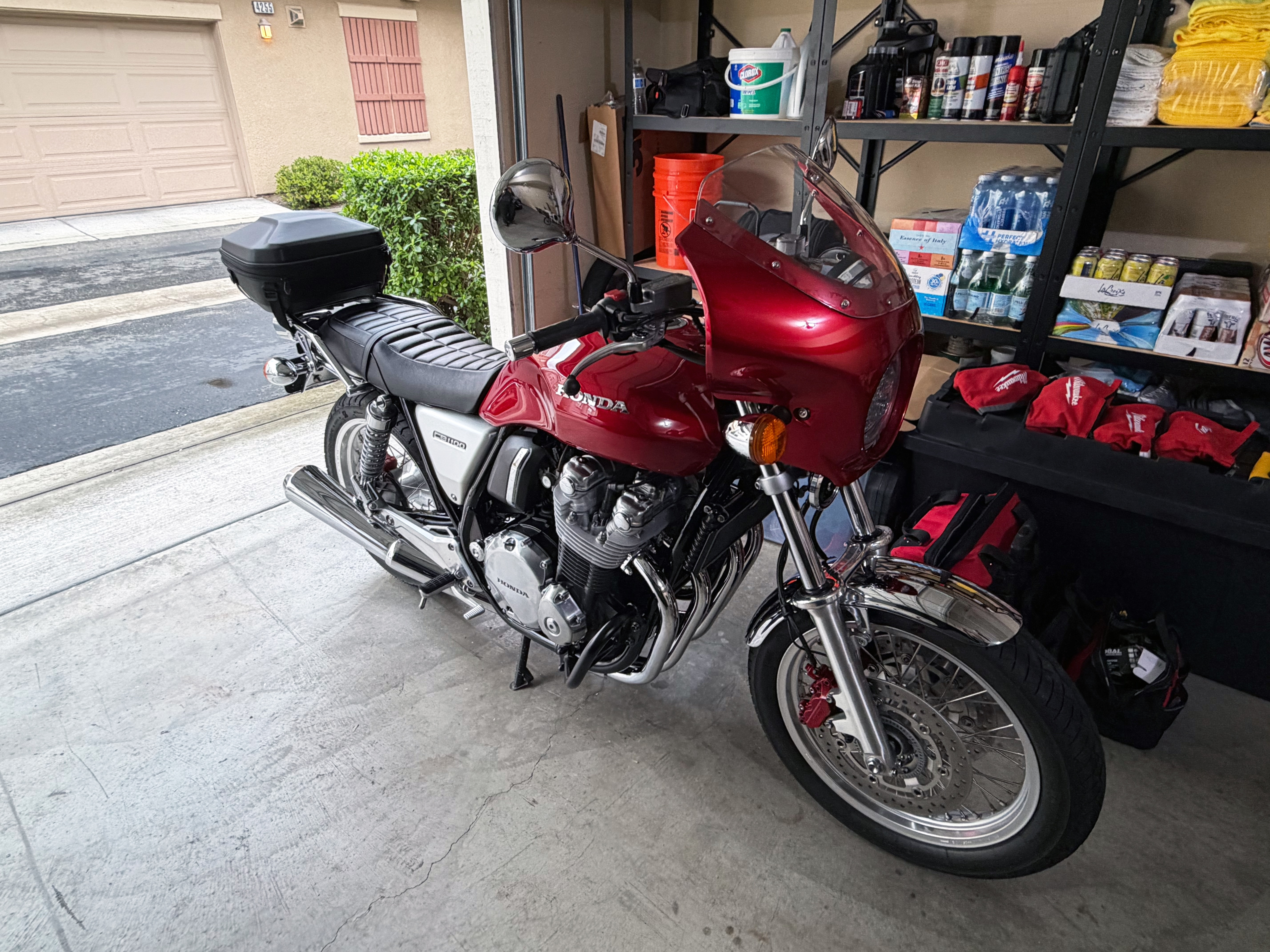
Recently, I rode my motorcycle downtown to pick up some fruits and vegetables. The skies were gray, and rain was in the forecast. But I rode anyway. It has been too long since I navigated a wet road. I needed the practice.

After I parked, a slight, gentle drizzle began. 

When light rain starts to fall, it mixes with oil, grease, and dust on the road, creating a slippery, greasy film that makes driving much more difficult and dangerous. This light moisture acts as a lubricant, making the roads more slippery and significantly reducing traction. Unlike in heavy rain, this film remains constant. Tires on cars, motorcycles, trucks, and bicycles tend to spread it across the road until it evaporates or is washed away by heavy rain.

For those who might be returning to cycling after a break or for new owners of a CB1100, I assert this situation is arguably the most dangerous road condition we face while riding our 550+ LB motorcycle. I encourage you to

Recognize the "Slick" Period: Oils on the road mix with water, making the first 30 minutes the most dangerous.
Smooth Controls: Operate the throttle, brakes, and clutch with gentle, gradual inputs to avoid breaking traction.
Reduced Speed & Increased Distance: Slow down 5-10 mph and increase following distance, as braking distance doubles on wet pavement.
Keep Your Motorcycle Upright: Reduce lean angle in corners, as slick roads significantly decrease available traction.
Adjust Lane Position: Ride in the tire tracks of the car in front of you, as they often clear the water and oil.
Avoid Potential Hazards: Avoid painted lines, manhole covers, and metal expansion joints, which become extremely slippery.

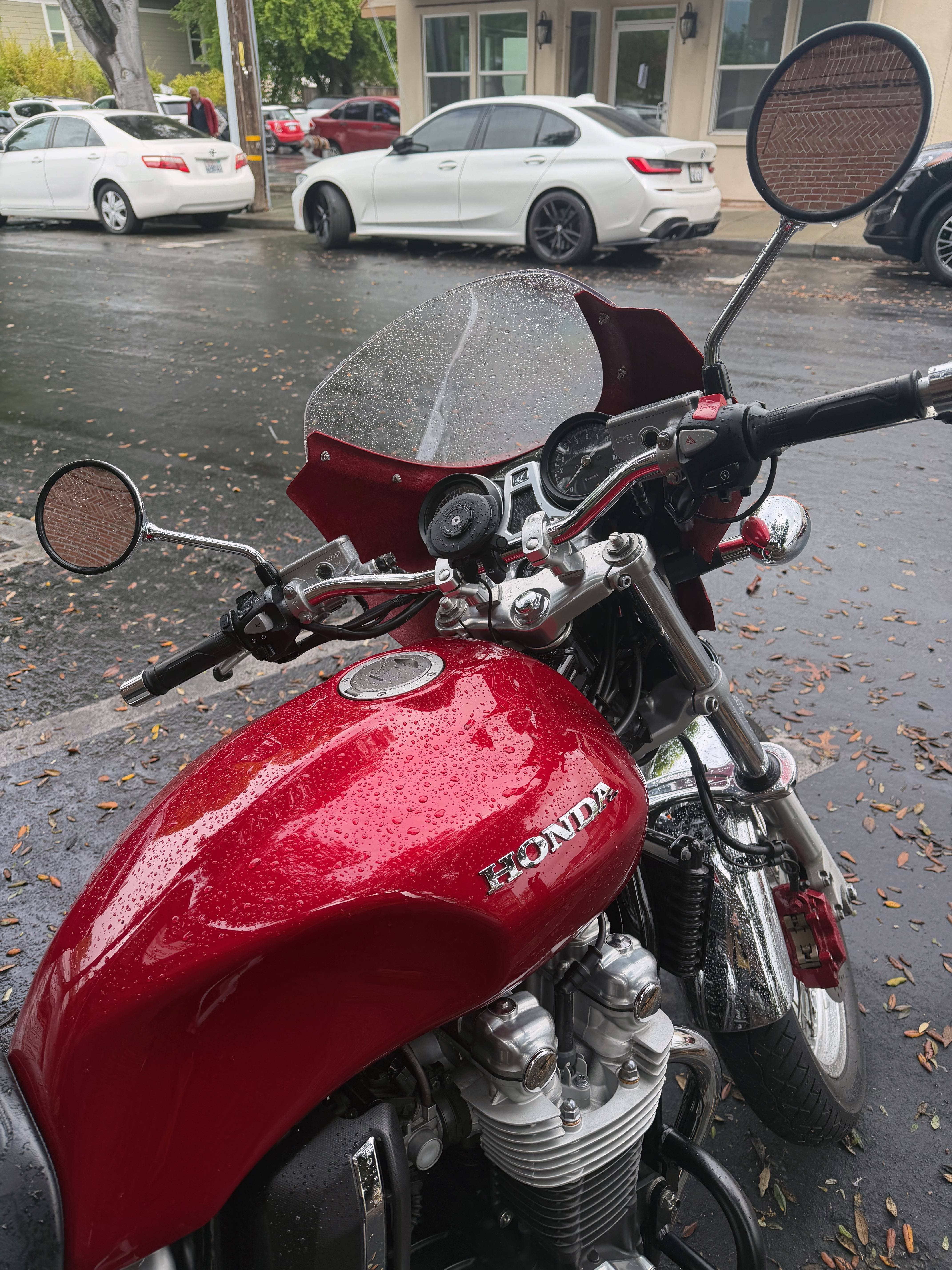
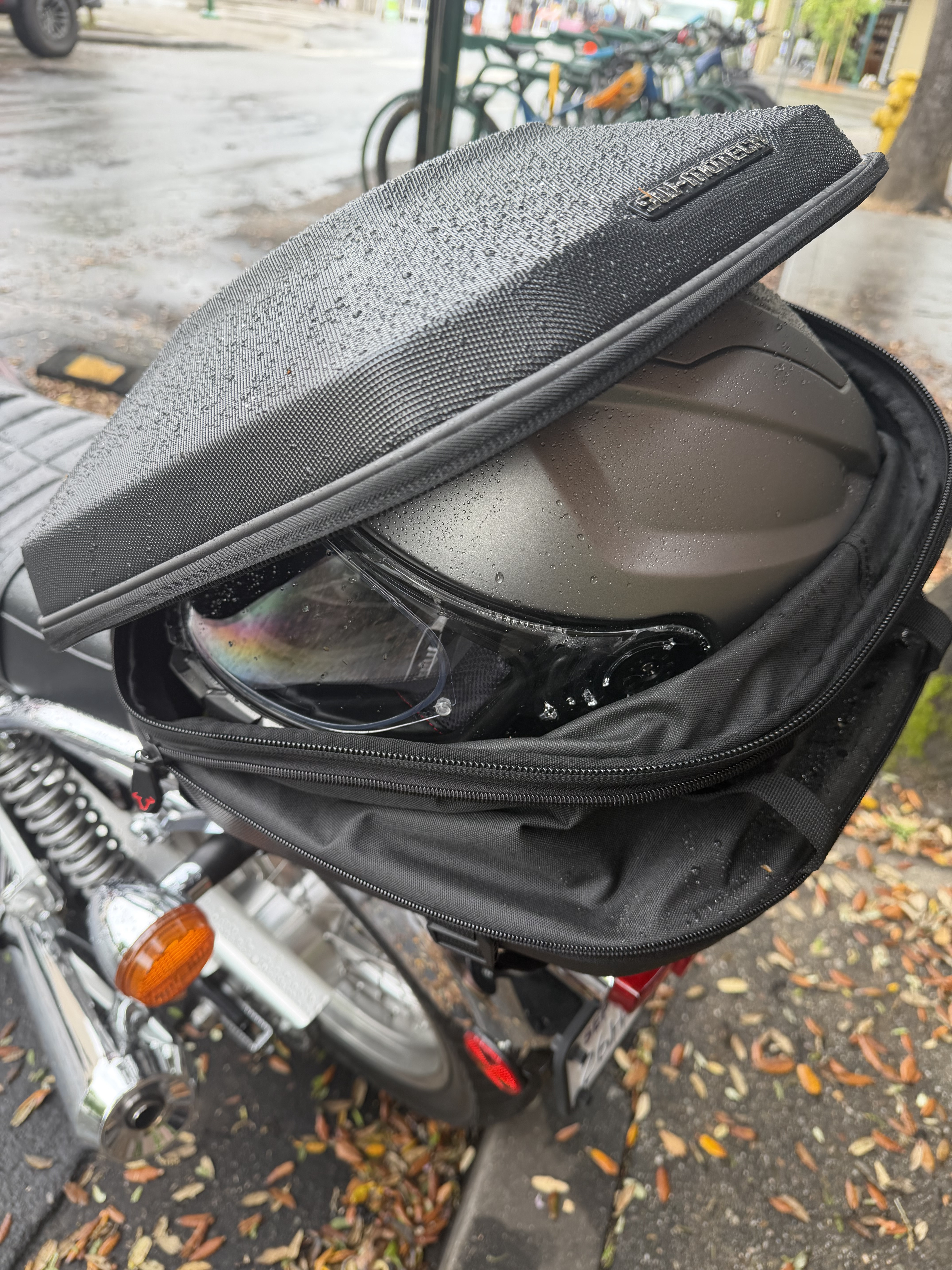
I took a few pictures in hopes that my words could become a little more vivid:
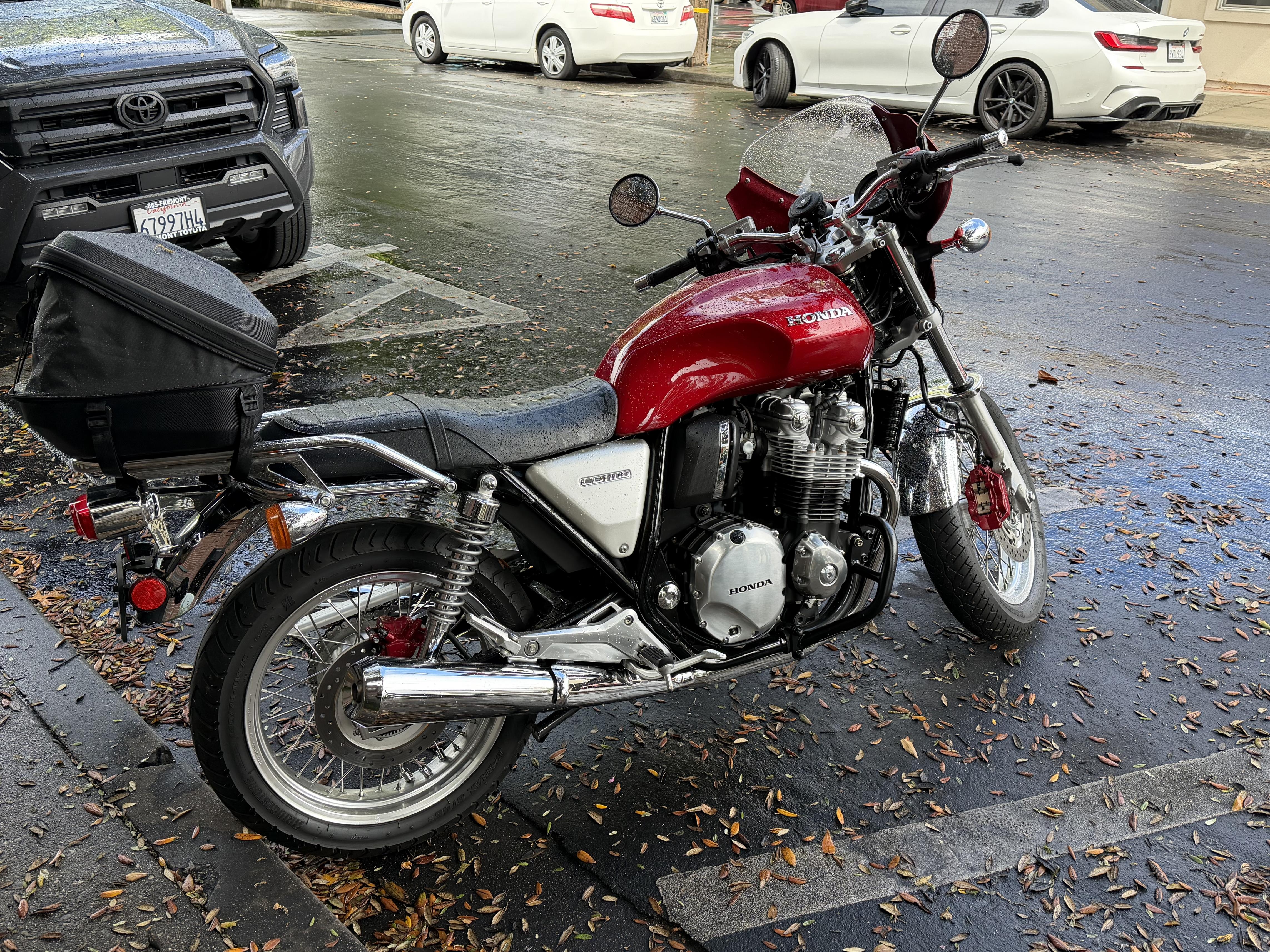
pkC08ru.jpeg


cxwSEeF.jpeg


bAru88Y.jpeg


xw1Uegv.jpeg


I am pleased to report that I remained upright and in control of my motorcycle. When I returned home, I addressed the oil, film, and dirt that had accumulated.

X9XJ7zE.jpeg


WLSqa5r.jpeg


9KxJRRL.jpeg


I am a staunch supporter of ceramic coating, which I applied to my wheels, chromes, calibers, tank, and all other surfaces when I purchased my motorcycle.

Key Benefits of Ceramic Coating for Motorcycles:
Superior Protection: Shields paint and metal from UV damage, fading, oxidation, and corrosion.
Hydrophobic Properties: Extremely water-repellent, reducing water spots and allowing dirt, mud, and rain to wash off easily.
Enhanced Appearance: Provides a high-gloss, deep-shine finish that makes colors more vibrant.
Scratch Resistance: Forms a hard layer (up to 9H) that helps prevent light scratches and swirl marks from washing or minor debris.
Heat Resistance: Protects engine components and exhaust pipes from heat-related discoloration and buildup.
Versatility: Safe for use on glossy/matte paint, chrome, plastic, and carbon fiber.

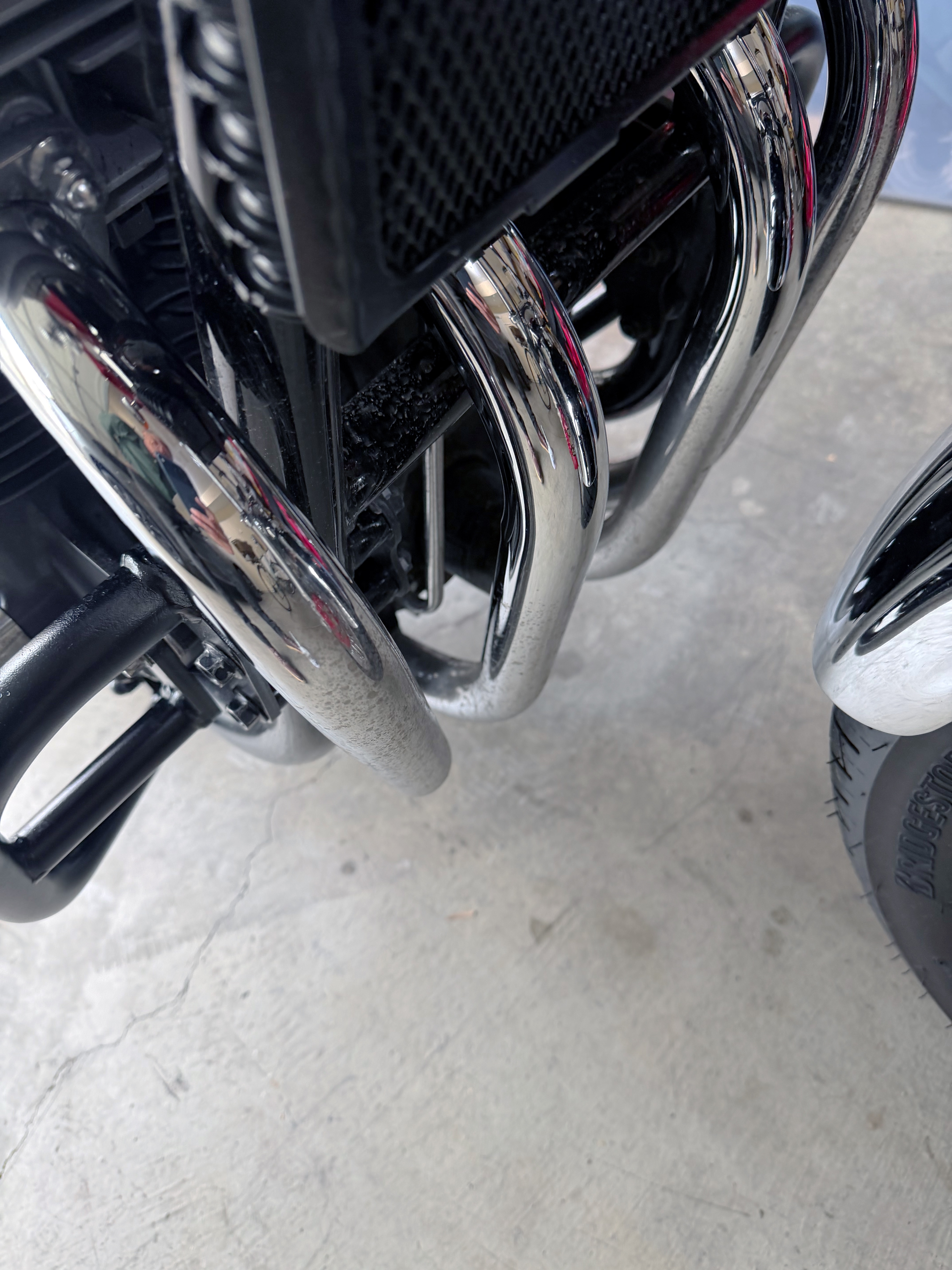
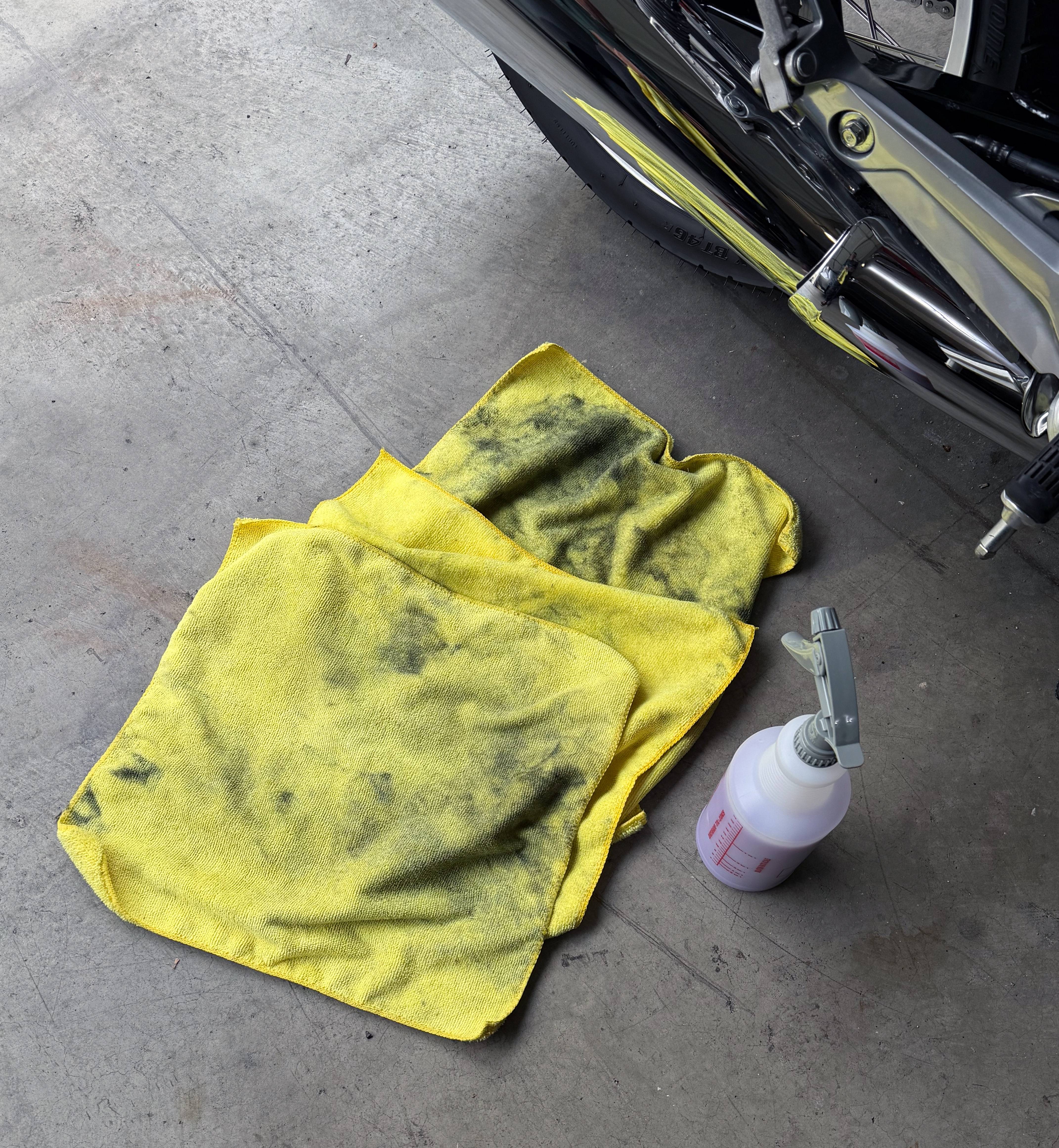
It took less than 15 minutes to return the motorcycle to a proper state:

oZTdXIj.jpeg


Om1UvOf.jpeg


RMSpOHv.jpeg


If that road gunk is allowed to dry or harden, it can be quite difficult to remove. It can also corrode parts and damage finishes. If time allows, it is always best to remove it immediately following the ride. To help make that easy, I maintain a Chemical Guys' Shrine in my garage with easy access to anything I might need.

Be safe and careful. David
 
I started feeling a little panicky and on-edge as I scrolled through your photos and saw the grime on your bike...relief flooded back over me when I got to the last one, world order has been restored!
: )

Nice reminder for wet riding. Our roads in my area of Oregon get regularly washed with rain most of the year, but then we have dry months from July to beginning of October, and then yep, gotta be careful with those first rains. And painted lines! I once made a turn on to a side street where a school was, and the painted school crossing line was thick, about 2.5 feet wide...very uneasy to feel the rear tire slipping out until it caught pavement again.
 
I have white knuckle riding in the rain - that why I always check the weather forecast before any trip - however sometimes we get caught.
 
Worse than a light rain, is a light rain in Las Vegas, where there is very little rain between oil build-up.
When we first moved there, I saw a Sportster try to slow for a right turn at rather slow speed and almost lose it.

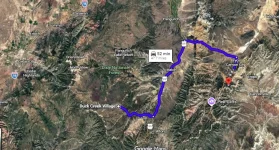
The only time I was caught in serious rain I was on a XVS950 and a friend on a Gold Wing rode from Las Vegas to Cedar City then east on Utah 14 to Duck Creek. Leaving Duck Creek going to Bryce Canyon, a downpour started on 14 west of 89...no place for cover.  No worries about oil so we rode at normal speed down the twisties.  In a short time, the sun reappeared and my T shirt and Wranglers were dry in a VERY short time.  We got drenched again, leaving Bryce.
 

Attachments

  • Duck Creek - Bryce.webp
    Duck Creek - Bryce.webp
    169.3 KB · Views: 82
Very good post, David. As a rule, I don't ride my bikes in the rain. If I get caught in it, like you, first thing I do when I get home is to wash and detail my bike before any of the crud can dry and become harder to remove. When the crud is wet, it's much easier to flush away.

With my courier job, it's rain or shine, so getting rained on will be part of the territory. And, riding bikes that have been in rode hard and put away wet for years, the grime that doesn't come off easily is there to stay. My detailing for these bikes has been roll it into the garage, hit the lower half with degreaser, rub, rinse, and whatever is still there is still there.

I did get caught in a few showers last week, and as the dispatch app we're using also runs Waze for navigation, along with "police ahead", "car on shoulder ahead", "hazard ahead", I started hearing "slippery road ahead". Duh. Luckily, the RT windshield and bodywork pretty much sends the wet stuff around you for the most part, it is important to be extra careful when the roads are wet. Especially here in Southern California. Historically we've had "rainy season" and "dry season". The dry roads would be extra slippery for the first day of rain, as there would be months of oil, dirt and other slick stuff coming to the surface. Not fun to ride in. These days, the weather is a little more unpredictable. Always need to be on guard!
 
Thread starter
Gone, we have slightly more rain and cooler weather in Northern California than down south. I avoid all rain  aggressively, but occasionally I “man up” because I know it is a part of motorcycle riding. As I was putting on the very best protective gear a man can buy and looking for an excuse to not ride, I thought of you. I eventually shamed myself to starting the motorcycle with this thought running through my head: “If Gn60 can ride that huge honker of a BMW outfitted with all that gear on Interstate 5 in LA, surely I can manage a leisurely ride on a Saturday morning in Pleasanton, CA on a CB1100EX.” You are an inspiration. :)
 
I reckon putting on the wets and going for a ride when it isn't necessary shows an extraordinary level of commitment.
 
rdprdp01 said:
Gone, we have slightly more rain and cooler weather in Northern California than down south. I avoid all rain  aggressively, but occasionally I “man up” because I know it is a part of motorcycle riding. As I was putting on the very best protective gear a man can buy and looking for an excuse to not ride, I thought of you. I eventually shamed myself to starting the motorcycle with this thought running through my head: “If Gn60 can ride that huge honker of a BMW outfitted with all that gear on Interstate 5 in LA, surely I can manage a leisurely ride on a Saturday morning in Pleasanton, CA on a CB1100EX.” You are an inspiration. :)

Ha! I don't think I've ever been called an inspiration, but I'll take it. Thank you very much, sir.  At least the big honker of a BMW is comfortable and has enough bodywork to keep it's rider from getting too wet.
 
Well, I guess this is a good excuse for rain-related storytelling  ;) 

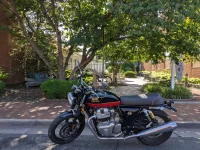
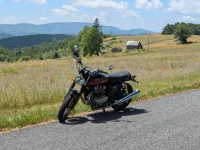
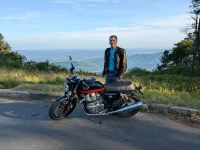
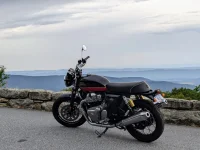
I never ride in the rain.  But sometimes it does happen.  A couple of years ago when I was trying to figure out what to buy, I rented a INT650 through riders-share.  I was all set up, and the threat of a storm was not going to put me off from a long-anticipated adventure.

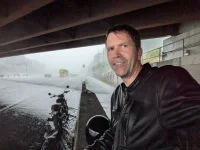
Unaccountably, when I picked the bike up I chose to leave my rain gear in the car, thinking I would outmaneuver the storm.  Well, I was about 10 minutes into the ride when the rain started, and it pounded me hard before I even left the interstate heading west.  I took a break under an overpass, as I've seen other riders do, but it was a first for me.

I sat on the jersey barrier and ate a bag of cherries.  The cherries, that is, I did not eat the bag.  I spat the seeds into the rain drain and watched the storm with amazement.  It was good to be out the office.  Far from dampening the mood, the rainstorm just amplified the giddiness I already felt, as I wondered what the weekend might hold.  In my child-like brain, there was an adventure going on, and I was in it!  I felt sorry for the folks passing by in their boring cars on their boring commute.

Eventually the downpour lessened, so I pressed on.  Both the rain and the city traffic thinned steadily as I proceeded westward.  It was a warm July evening, so I dried off quickly after exiting the back side of the storm.  I was happy I left the rain gear behind, as I was carrying my things in a backpack, just a couple changes of clothes in ziplock bags, a toothbrush, and other essentials.

By the time I was on Skyline Drive, I was mostly dry and having an absolute blast on the INT650.  I'm still convinced I will get one someday.  With the touring seat.  I stayed overnight in Luray.  That evening I ate jambalaya down on the river walk, and I watched the fireworks while listening to a bluegrass band.

I headed south the next morning, back on Skyline Drive.  I had breakfast at a restaurant in the park that overlooks the valley.  I recalled having dinner at that restaurant on my honeymoon; we had both enjoyed the good fare and local wine.  But I was disappointed this morning to see that the fabulous view was now obscured by trees which grew up in the intervening 27 years.

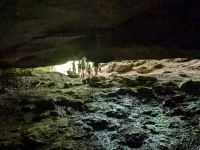
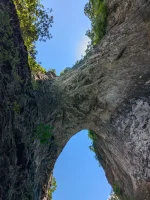
I continued south beyond Skyline Drive onto the Blue Ridge Parkway, eventually exiting to visit Natural Bridge.  I took a 2-hr afternoon break to refuel with a moon pie and a mello yellow, and perhaps a gallon of water.  I lingered in the cave which was at least 30 deg cooler than the ambient temperature, which was 97 deg F.

I stayed the second night in Lexington, VA and met a group of hot-air-balloonists.  They invited me to an excellent barbecue dinner in exchange for agreeing to serve as ground crew the next morning.  The next morning I showed up at the VA horse park before sunrise and met my crew.  We waited a couple hours until they finally decided they couldn't fly that day.  The fog had lingered for too long, and when the fog cleared, the winds would exceed their limits.

So I said goodbye and zipped up to Harrisonburg for a mid-morning breakfast at a nice cafe downtown, and pressed on all the way to Cumberland, MD where there was an INT650 for sale in orange crush.  It was gorgeous, but they said they couldn't sell it because the last customer to ride it had reported a wobble above 45 mph, and they had not investigated it yet.  I agreed not to buy it, and headed back east and then south to return the bike where I started in the DC area.

The trip was invigorating, and I never regretted leaving the rain gear behind.  In fact, I haven't used it to this day, because I never ride in the rain!

[attachment=1294]

[attachment=1293]

[attachment=1292]

[attachment=1287]

[attachment=1288]

[attachment=1290]

[attachment=1291]

[attachment=1286]
 

Attachments

  • PXL_20240706_132127776.webp
    PXL_20240706_132127776.webp
    2.1 MB · Views: 68
  • PXL_20240705_163402673.webp
    PXL_20240705_163402673.webp
    2.9 MB · Views: 68
  • PXL_20240705_161517309.webp
    PXL_20240705_161517309.webp
    2.5 MB · Views: 69
  • PXL_20240705_192107193.webp
    PXL_20240705_192107193.webp
    1.8 MB · Views: 69
  • PXL_20240705_190429892.webp
    PXL_20240705_190429892.webp
    1.9 MB · Views: 68
  • PXL_20240705_111936778.webp
    PXL_20240705_111936778.webp
    1.8 MB · Views: 69
  • PXL_20240704_231439249-EDIT.webp
    PXL_20240704_231439249-EDIT.webp
    995.7 KB · Views: 70
  • PXL_20240704_205207783.webp
    PXL_20240704_205207783.webp
    1.1 MB · Views: 70
That looks like a good storm to sit in an underpass for.
 
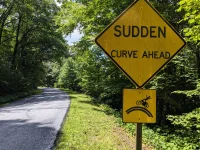
I love the "guy flying off his motorcycle caution sign". And the RE INT650 is a wonderful bike with a very high fun factor.
 
You always must consider how the other drivers will handle the slick roads, especially in a place, like Phoenix, AZ, USA, where they do not often drive on slick roads. There is nothing as exciting as having a huge vehicle slide across the road sideways right in your path.
 
Nice ride on the Interceptor! I rented one too, which is how I got hooked and ended up buying one. You won't regret it. I miss mine though... she's been parked and covered in a friend's garage since I started the delivery job and have the BMWs cycling through my garage. Hopefully we'll get more business in my area soon, and I can rent a shop for the work bikes.

In my area, the cars typically lose control in the rain on the wraparound freeway on ramps. Sometimes you'll see a tow truck parked in the center of an on ramp in the rain, just waiting for his next customer.
 
rdprdp01 said:
Recently, I rode my motorcycle downtown to pick up some fruits and vegetables. The skies were gray, and rain was in the forecast. But I rode anyway. It has been too long since I navigated a wet road. I needed the practice.

After I parked, a slight, gentle drizzle began. 

When light rain starts to fall, it mixes with oil, grease, and dust on the road, creating a slippery, greasy film that makes driving much more difficult and dangerous. This light moisture acts as a lubricant, making the roads more slippery and significantly reducing traction. Unlike in heavy rain, this film remains constant. Tires on cars, motorcycles, trucks, and bicycles tend to spread it across the road until it evaporates or is washed away by heavy rain.

For those who might be returning to cycling after a break or for new owners of a CB1100, I assert this situation is arguably the most dangerous road condition we face while riding our 550+ LB motorcycle. I encourage you to

Recognize the "Slick" Period: Oils on the road mix with water, making the first 30 minutes the most dangerous.
Smooth Controls: Operate the throttle, brakes, and clutch with gentle, gradual inputs to avoid breaking traction.
Reduced Speed & Increased Distance: Slow down 5-10 mph and increase following distance, as braking distance doubles on wet pavement.
Keep Your Motorcycle Upright: Reduce lean angle in corners, as slick roads significantly decrease available traction.
Adjust Lane Position: Ride in the tire tracks of the car in front of you, as they often clear the water and oil.
Avoid Potential Hazards: Avoid painted lines, manhole covers, and metal expansion joints, which become extremely slippery.

I took a few pictures in hopes that my words could become a little more vivid:
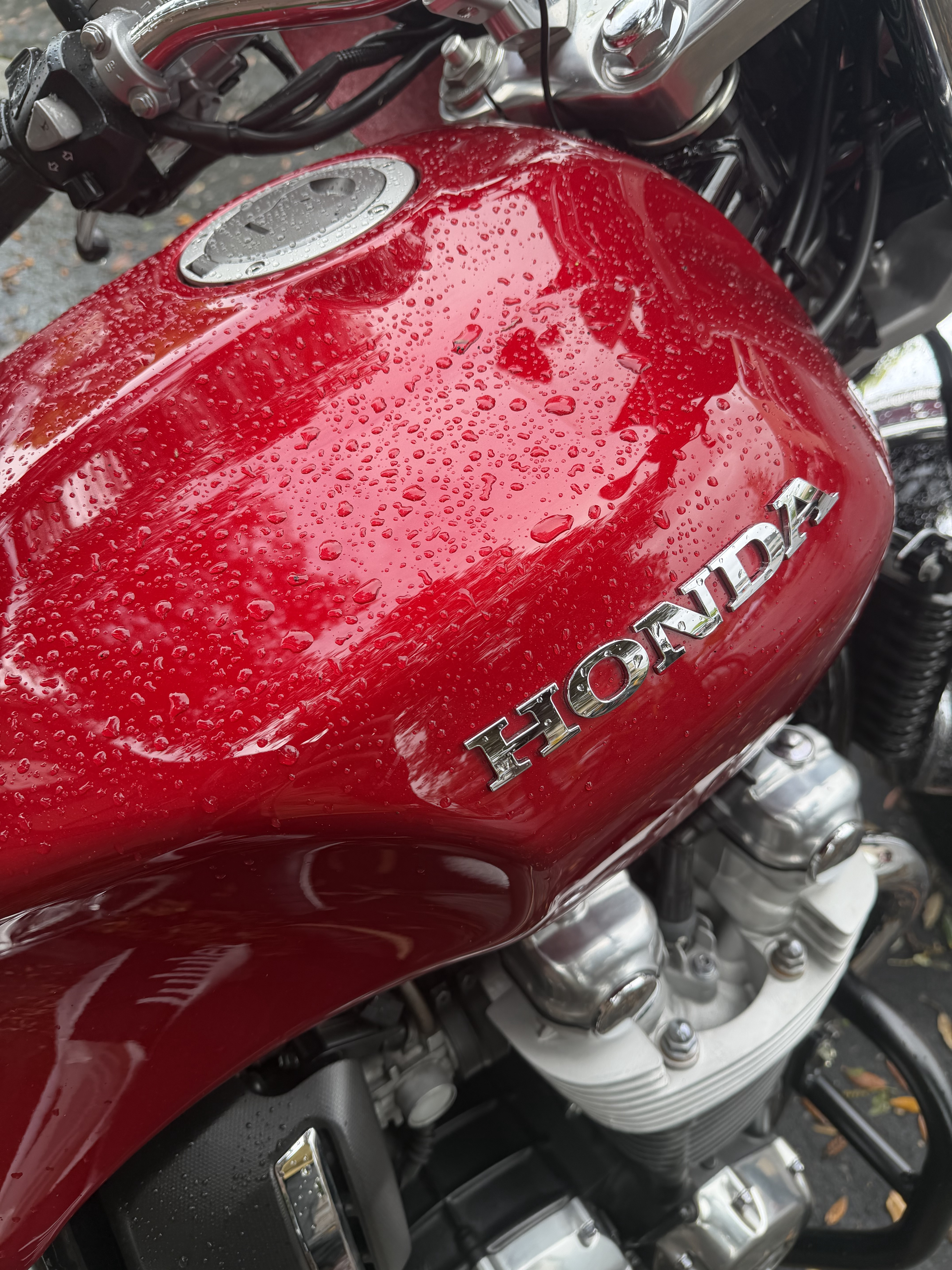
pkC08ru.jpeg


cxwSEeF.jpeg


bAru88Y.jpeg


xw1Uegv.jpeg


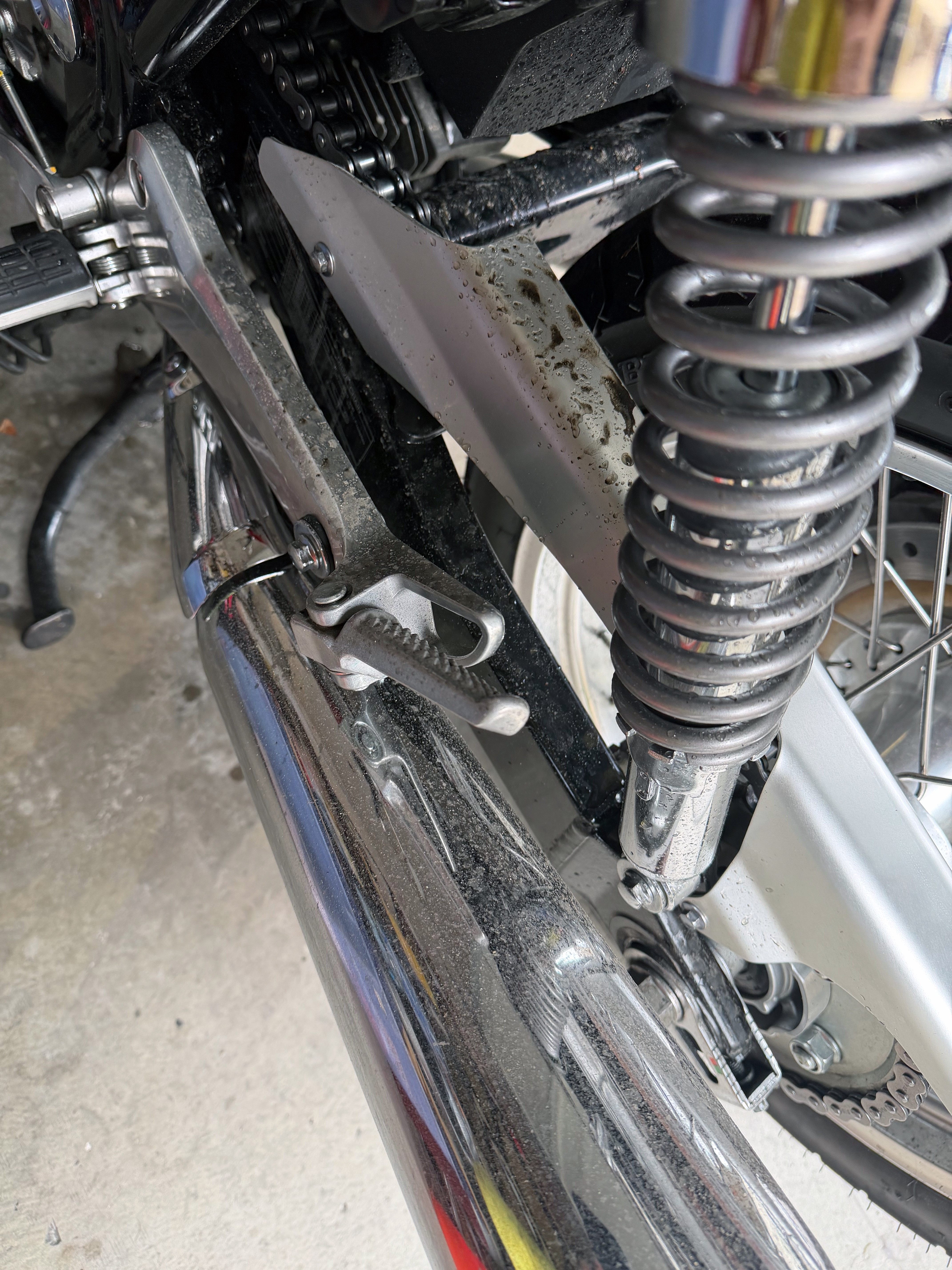
I am pleased to report that I remained upright and in control of my motorcycle. When I returned home, I addressed the oil, film, and dirt that had accumulated.
X9XJ7zE.jpeg


WLSqa5r.jpeg


9KxJRRL.jpeg


I am a staunch supporter of ceramic coating, which I applied to my wheels, chromes, calibers, tank, and all other surfaces when I purchased my motorcycle.

Key Benefits of Ceramic Coating for Motorcycles:
Superior Protection: Shields paint and metal from UV damage, fading, oxidation, and corrosion.
Hydrophobic Properties: Extremely water-repellent, reducing water spots and allowing dirt, mud, and rain to wash off easily.
Enhanced Appearance: Provides a high-gloss, deep-shine finish that makes colors more vibrant.
Scratch Resistance: Forms a hard layer (up to 9H) that helps prevent light scratches and swirl marks from washing or minor debris.
Heat Resistance: Protects engine components and exhaust pipes from heat-related discoloration and buildup.
Versatility: Safe for use on glossy/matte paint, chrome, plastic, and carbon fiber.

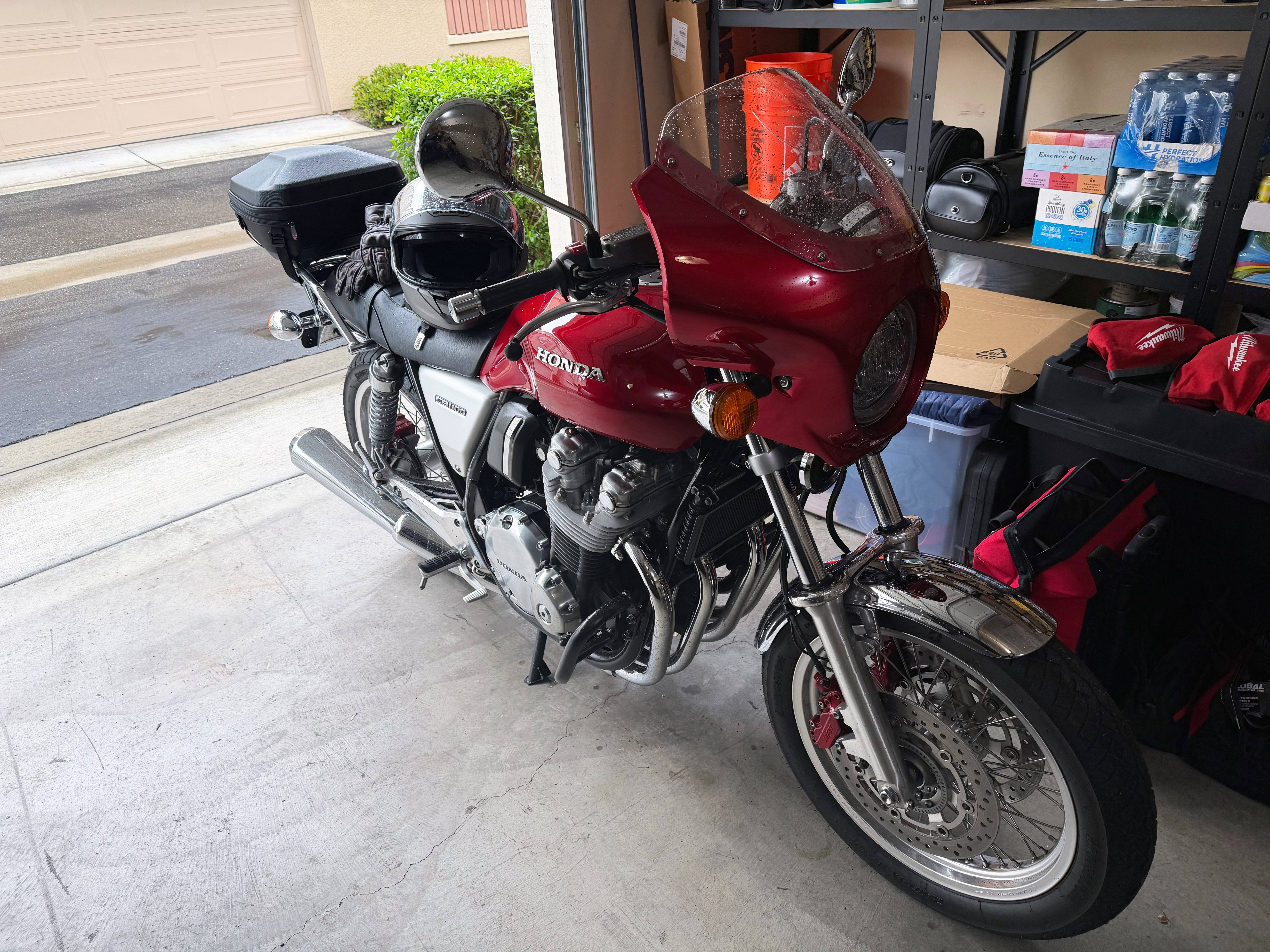
It took less than 15 minutes to return the motorcycle to a proper state:
oZTdXIj.jpeg


Om1UvOf.jpeg


RMSpOHv.jpeg


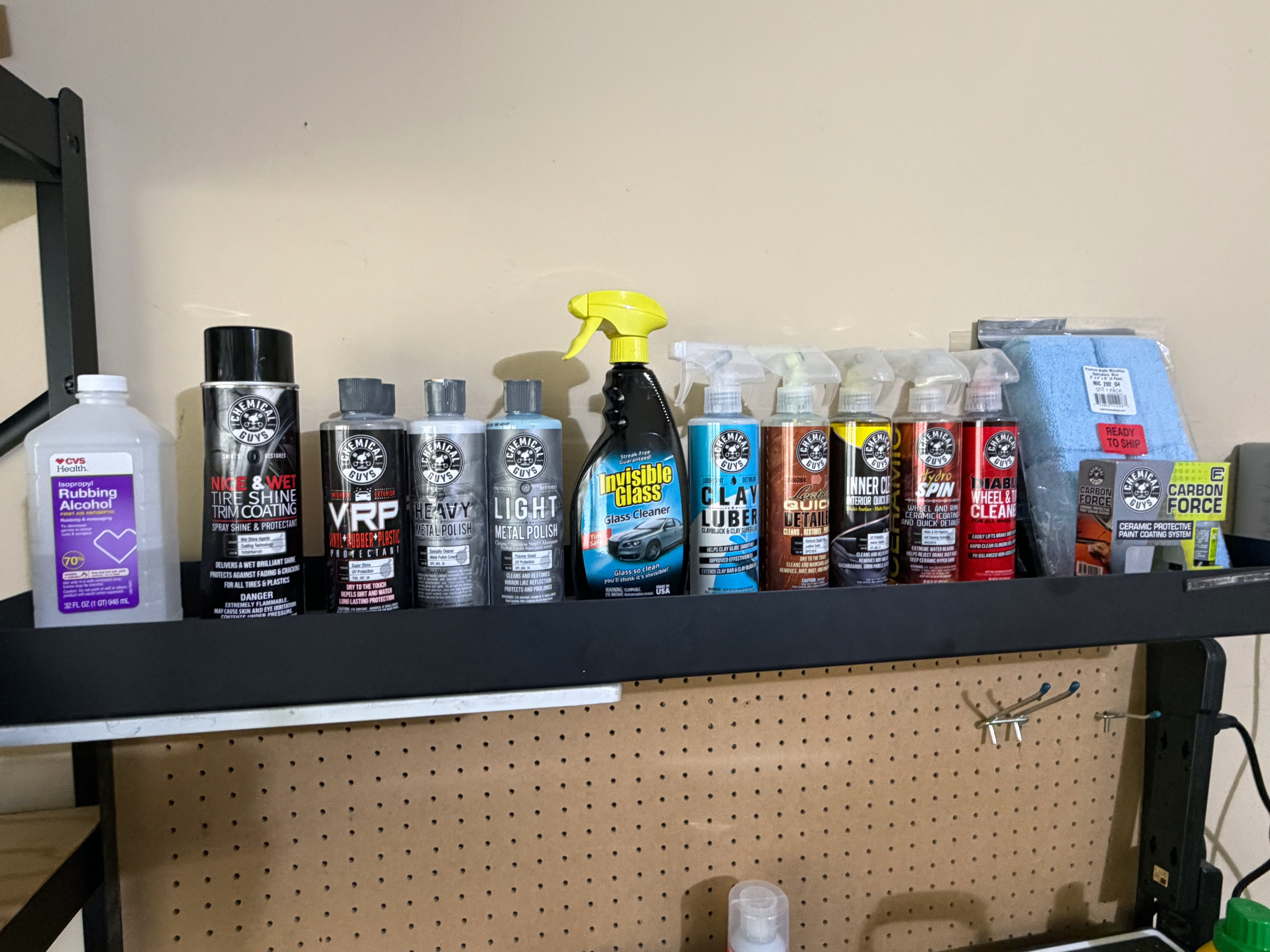
If that road gunk is allowed to dry or harden, it can be quite difficult to remove. It can also corrode parts and damage finishes. If time allows, it is always best to remove it immediately following the ride. To help make that easy, I maintain a Chemical Guys' Shrine in my garage with easy access to anything I might need.

Be safe and careful. David
David, tell me about the ceramic coating that you use on everything.  Brand name, etc.?
Thanks in advance ...
Ron
 
Thread starter
Great to hear from you. For my motorcycle, I used the Chemical Guys' Carbon Force. I liked it because it is a professional-grade, thick coating. I did the work myself because I struggled to find a detailer willing to go the extra mile on intricate services like wheels, spokes, cable ends, etc. Although cars are obviously much bigger, they may be easier to coat because the surfaces to be coated are flat rather than round, as on our motorcycles.

See a credible review for details about Carbon Force and other options: Car and Driver Ceramic Coating Review

Because I am not a detailer by trade and do not have customers screaming at me about when the motorcycle can be picked up, I took my time and deviated a little from standard applications. I actually applied four "thin" coats to build up to a thick, protective coating. The thin coating approach also helped me ensure that everything was as smooth and cool as the other side of the pillow. Here are the notes I took from my maintenance journal:

Applying Carbon Force Ceramic Coating requires flawless preparation. The process involves washing, decontaminating, and polishing the paint. Work in a cool, shaded environment. Apply the coating to a small section in a cross-hatch pattern, allow it to flash for 60 seconds, and buff off the residue.

Step 1: Prep the Vehicle
Proper preparation is the most critical part of a ceramic coating, as it permanently locks in whatever is on your paint.
1. Wash: Give the vehicle a thorough wash using a wax-free, gloss-free soap (such as Clean Slate) to strip away old waxes or sealants.
2. Decontaminate: Use a clay bar and lubricant to safely lift embedded dirt, rail dust, and other impurities from the paint.
3. Polish (Paint Correction): Remove any swirl marks, scratches, or oxidation using a machine polisher and fine polish so the paint is perfectly clear.
4. Wipe Down: Remove all polishing oils and residue using a surface cleanser like Wipe Out. This ensures the coating bonds directly to the clear coat.

Step 2: Apply the Coating
1. Prep the Applicator: Drape the micro-suede applicator over the foam block. Place the bottle against the applicator and tilt to dispense a couple of thin lines of Carbon Force onto the suede.
2. Apply in Sections: Work on a small area or a single panel at a time.
3. Cross-Hatch Pattern: Gently spread the coating onto the paint using linear (up-and-down and side-to-side) motions to create a cross-hatch pattern. Do not use circular motions. Ensure you have complete, even coverage without heavy pressure.
4. Let it Flash: Allow the coating to "flash" or set for about 60 seconds. You will see a faint rainbow-like or oily film appear on the surface.

Step 3: Buff and Cure
1. Buff Off: Fold a clean, premium, short-pile microfiber towel (like the Workhorse Towel) into quarters. Gently wipe the surface side to side to remove any excess residue.
2. Inspect: Switch to a fresh microfiber towel to do a final wipe and catch any high spots (streaks or leftover material).
3. Cure Time: Let the vehicle cure for at least 12 hours in a controlled, dry, indoor environment away from moisture and dust. Avoid washing the car or exposing it to rain for at least a few days to let the coating fully harden.

With all the surfaces treated (vinyl, chrome, paint, and metal), I can detail my motorcycle in no more than 20 minutes using the other products Chemical Guys sells. Usually, it takes less than 5 minutes. I do not use soap and water. Rather, I use a microfiber cloth and a spray cleaner designed for ceramic-coated surfaces. Although I have not seen it referenced in the literature, I suspect ceramic coating also extends the life of parts exposed to the elements.

I had my cars professionally detailed by great detailers. I believe the Ceramic Pro Product Line is the gold standard and capable of the 10-year mark with reasonable maintenance. Their network of detailers is a qualified list. They go the extra mile to make sure the prep and application are right. When I last had a car coated, the 9H product was the premium coating. Ceramic Pro ION appears to have taken it to the next level. Once a year, I have the cars professionally detailed. At that time, I intend to ask them to apply one coat of Ceramic Pro ION to my existing finish.
 
Back
Top