remove the valve cover from the frame (ex 2014)

Enzofour_imp

Running like a top
Thread starter
I have come to free the engine head, but the valve cover does not come off the frame.

I removed all of this:
37d7312d678d3d83ad63aeddc3312b6d.jpg


and I'm here:


is there any trick?

Thanks
 
Enzofour_imp said:
I have come to free the engine head, but the valve cover does not come off the frame.

I removed all of this:
37d7312d678d3d83ad63aeddc3312b6d.jpg


and I'm here:


is there any trick?

Thanks
I think I just creamed my jeans.
 
Au2O3, you are one very sick puppy.
 
I had to loosen the main wire harness and throttle cable from frame and tilt the cover so that it can slide out from right side. The cover can tilt more with the harness loosen from frame.
 
Out of interest, what are peoples thoughts on Enzofour's clearance results? To me I read it as this: As long as the results are within Honda's tolerances, leave them well alone. If I had the above results I would put the cam cover back on and be done, none are out of specification. Honda set those tolerances and are expecting them to be inspected again at the next valve service interval, any future deviation out of tolerance has already been allowed for and they can be re-shimmed then. One might expect clearances to close over time but as has been proved by many an owner, this cannot be assumed to be the case. Re-shimming to try and hit that middle value seems like wasted effort to me?
 
They are all within spec and could be left alone.

Because I have a decent garage space and enjoy the work, I adjust the ones that are at the spec limit back to the center of the spec range. That's just me, though. The shims come in 0.025mm increments so a valve at the edge of the clearance range can be put back exactly to the center of the spec range.
 
It looks like I am not the only one who has experienced this exact same issue. I actually contacted a friend to come over and help me, and between the two of us looking at it simultaneously while trying to slip the valve cover out he noticed the exact same issue expertly discussed in the link posted by Lord Popgun.
 
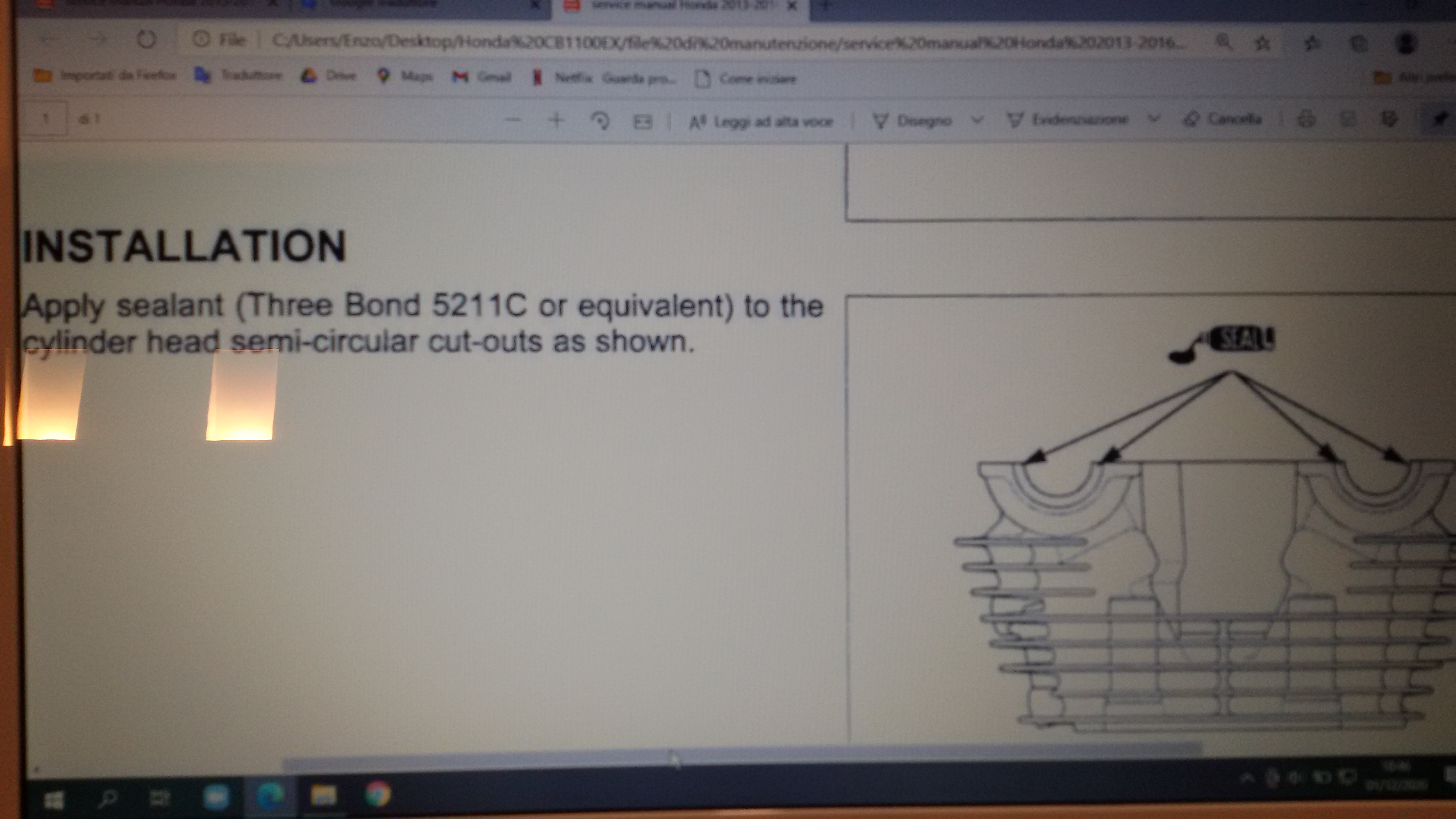
Those are the only points I've ever put liquid gasket on. Have not experienced any leaks.

I find it easiest to install the valve cover, then gently lift it (one side at a time) and put a little bit of the liquid gasket in each location, but on the mating gasket surface, not the head.

Enzofour_imp said:
but then did you manage to remove it?
should be put only there? or are there other recommended points?

c06bd4256eb0b00355b517be3e326176.jpg
 
Nice work Enzo, after looking at Wylyjoe's spreadsheet for some time here's what i THINK happens;
The valve parts are assembled in the middle of spec, and during the first 20.000 or so km's the parts surfaces wear in and get a polished finish, this takes material away from the parts and increases the clearance.
Over time the seats and valve surfaces wear away and reduce the clearances.

We may be chasing our tales trying to maintain the middle of the road values, since your values are on the wide side ( not the critical side, which is too small ) i would leave alone as Wylyjoe suggests and re-check in the next episode.

Have checked mine at 17.000 km and found nothing unusual so no adjustments were made, i am now at 44.000 km and can hear no valves making a noise, i'll check again at 50.000 or so.

This is just my version of what happens and i may well be wrong and welcome an experienced opinion here, just generally trying to understand how this works and be helpful.

 
Thread starter
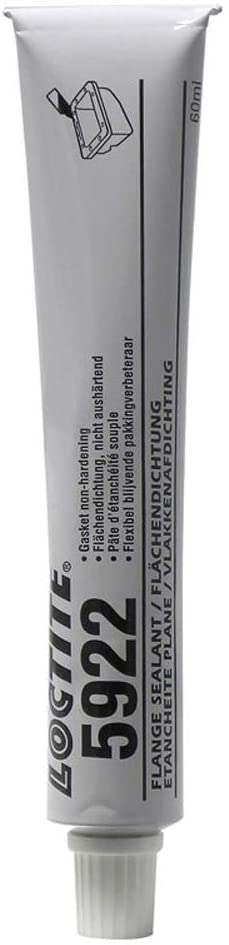
I will be using Loctite MR 5922
a8642035e2b964f3399e585d7b7d8c43.jpg


Do you recommend putting it where indicated or should it be placed in other points of the head for greater sealing?
 
It only needs it where shown. You should replace the gasket though.
 
Lord Popgun_imp said:
It only needs it where shown. You should replace the gasket though.


My take on that would depend on mileage used (heat cycle) at this point.

Example- my bike is low miles- and I've had the valve cover off twice. Looks new, works fine.

It is low tq pressure- and quite thick- so not much forced compression.

Naturally age will catch up eventually- once the bikes are 20-25 years old, the rubber won't be as happy.
 
My 2014 original rubber gasket is still in place and doing well after 35,000mi (56,000km). Just check to see if yours is still pliable and has no cracks in the rubber.

Don't forget to account for the 4 small o-rings that go on the 4 valve cover dowels. Last time I had my cover off, I noticed one o-ring had fallen into the head and had to be rescued with tweezers. Those seem to dry out and become loose. I bought four new ones for next time.
 
Back
Top