

rdprdp01
Administrator
Thread starter
I suspect many people on the Forum share the exhilaration I feel when I fire up the CB1100 at the start of the day. The gentle, balance pulse of the engine, the throaty exhaust note, and the feel of my hands on the throttle and clutch assure me that at least the minutes or hours spent on the CB1100 will be spectacular regardless of what else lies ahead for the balance of the day.
But any time I ride, there are risks to me and the motorcycle. To help medicate those, I have a adopted a pre-ride ritual that has almost become muscle memory. It enables me to ensure that I am mentally and physically ready to ride, that my protective riding gear will protect me from harm, and that the motorcycle is safe to ride. It takes me approximately 20 minutes, start to finish.
A case can be made that it is a little over the top bordering on excessive, but I am who I am.
I am not a role model for anything, but I do hope there is something you find here that will help you find your own routine. You have friends and family who love you, and you ride a great motorcycle. If you do not want to do it for yourself, perhaps you can do it for them.
Step 1: Wellness Assessment (5 minutes)— Before I ride, I gauge my spiritual, mental, and physical health. I am a devout Catholic, and I pray each day. I want to be in a state of grace for whatever lies ahead. Mentally, I do not ride if I am unduly stressed, agitated, or angry. Those states affect my judgment and can impact how I ride. Finally, I assess my physical well being. I will not ride if I have had less than six hours sleep the night before. I check my blood pressure daily. If it is not in an acceptable range, I do not ride. If I injured myself or if I am physically ill, I do not ride. I find riding a motorcycle requires tremendous situational awareness, coordination, dexterity, and strength. If any of those are compromised, I ride another day.
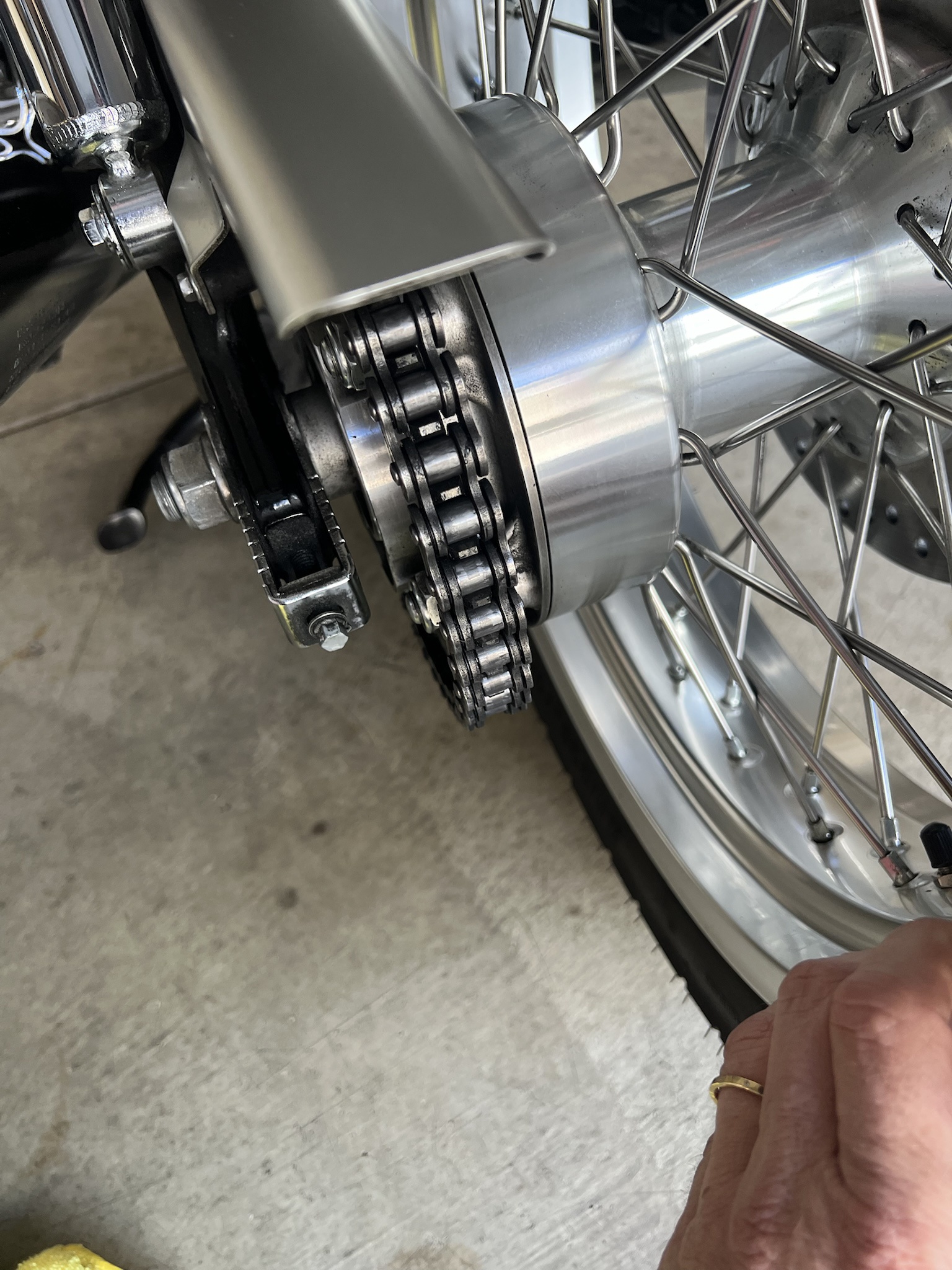
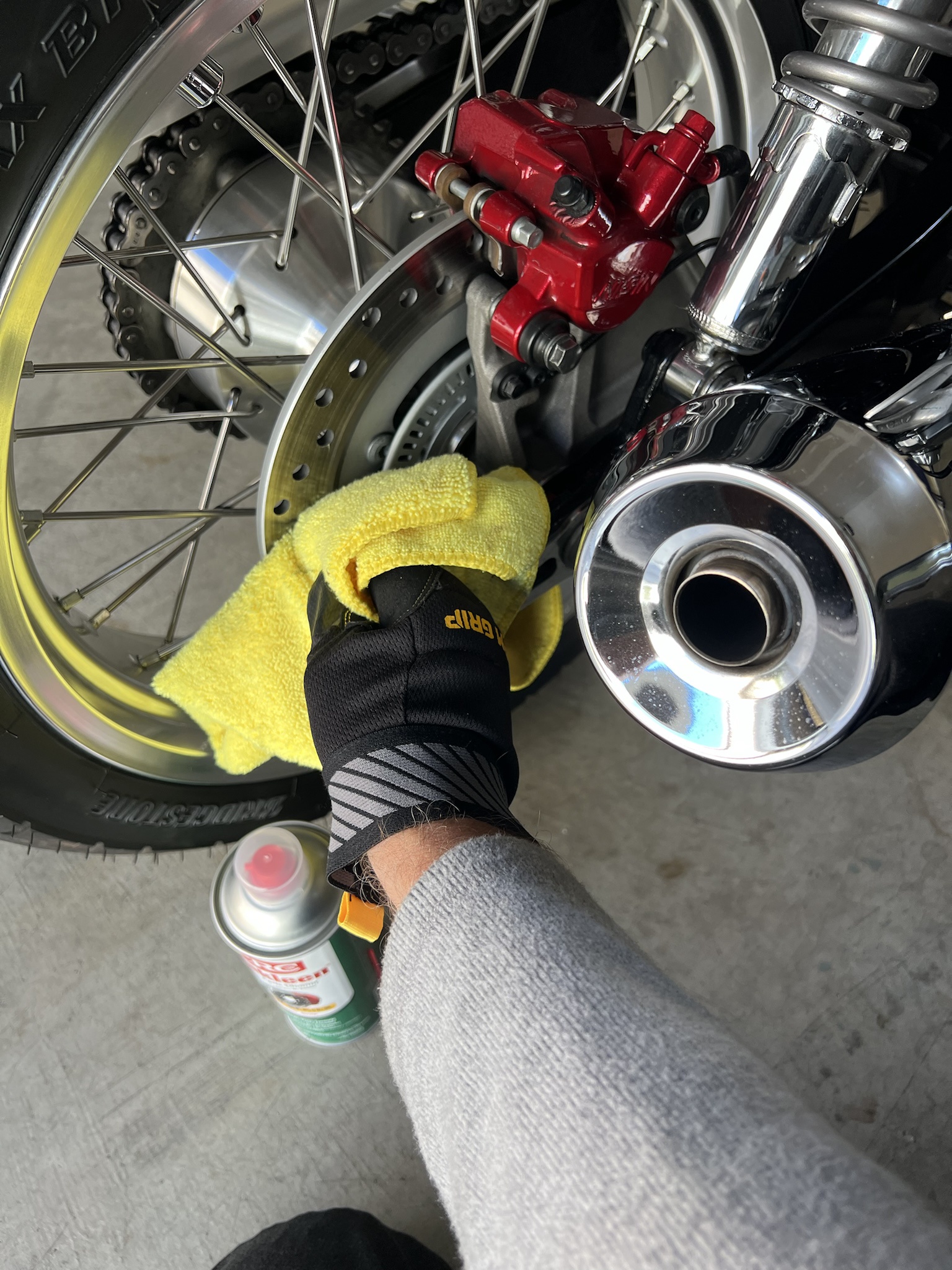
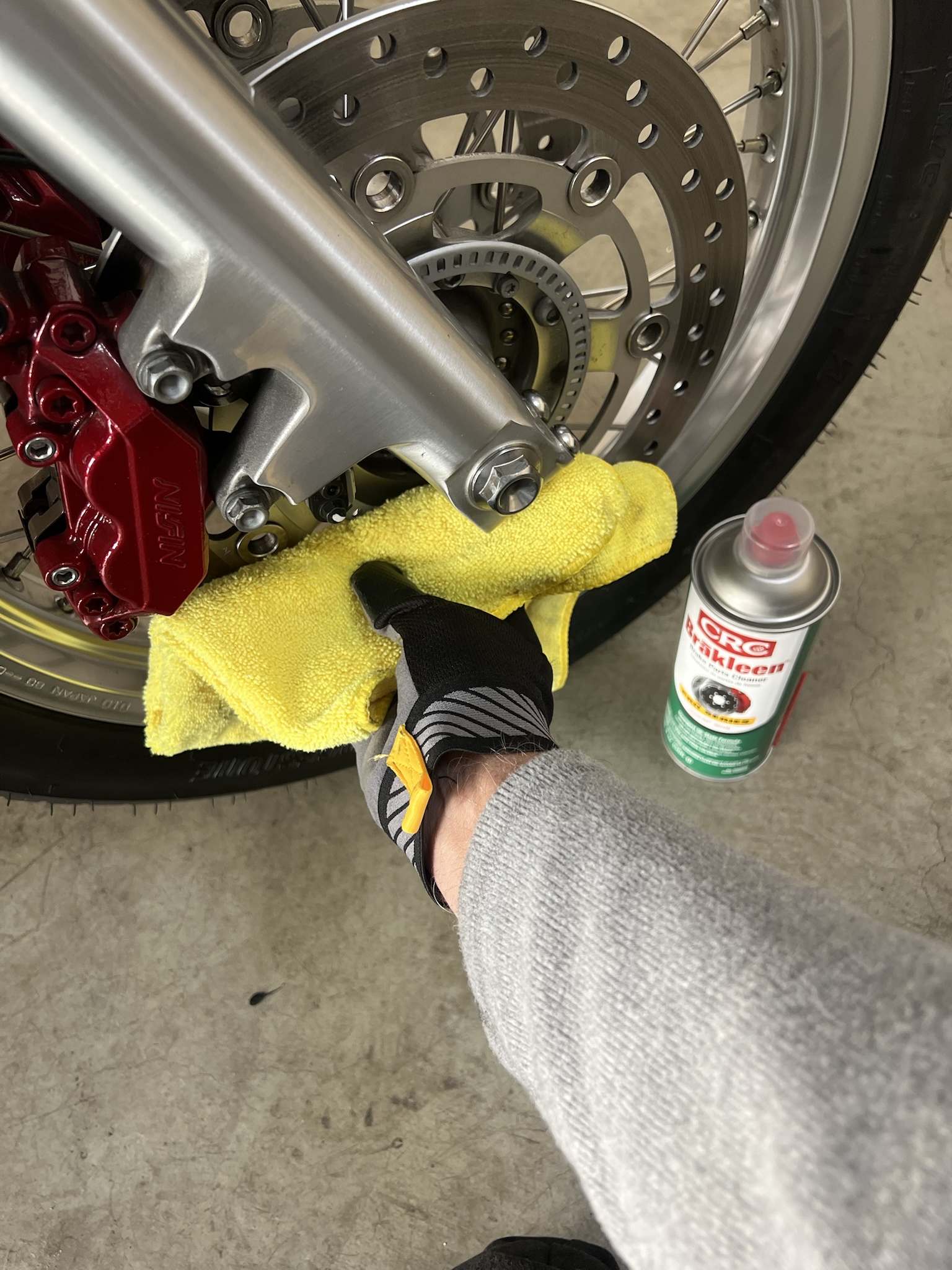
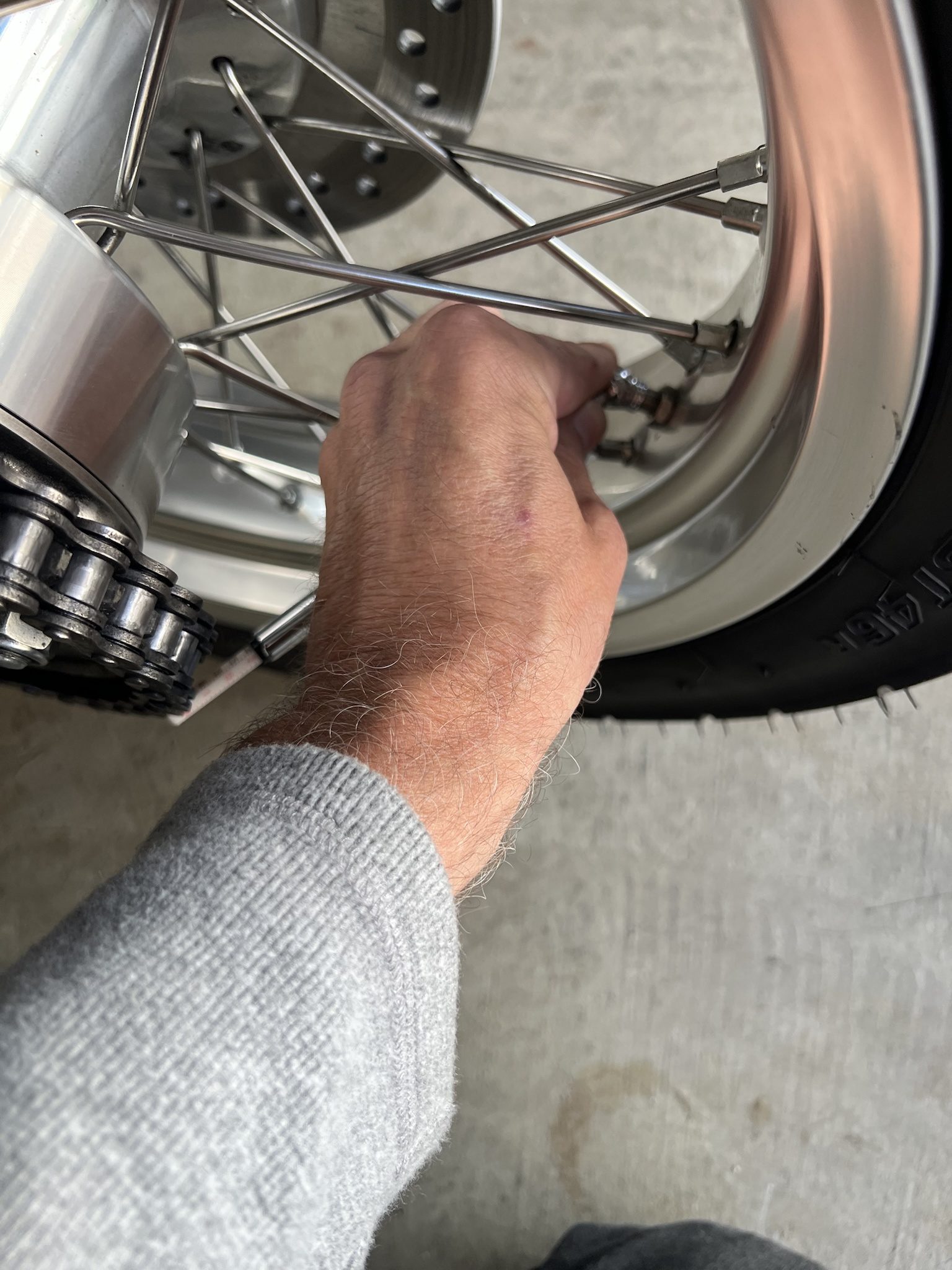
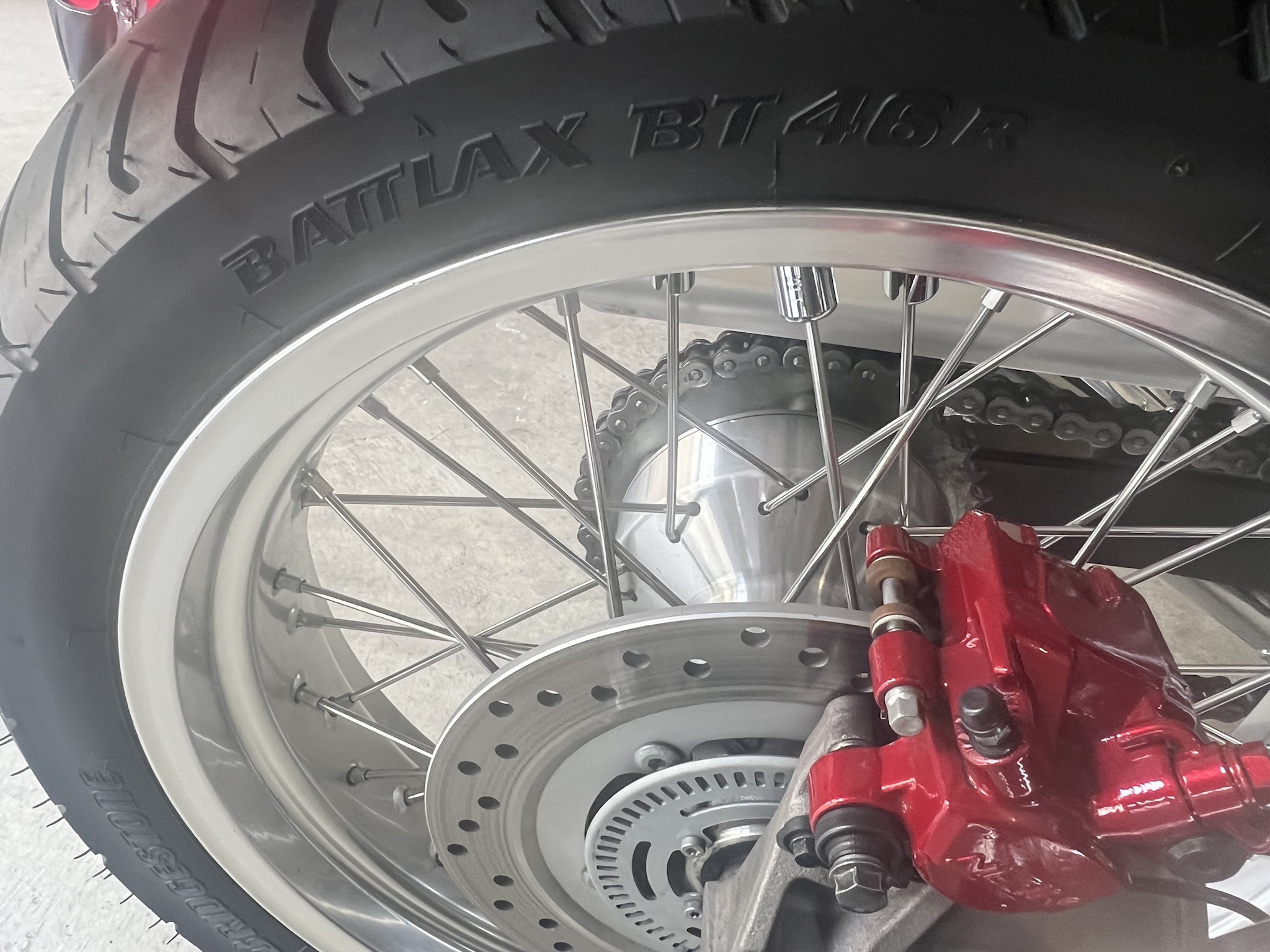
Step 2: Motorcycle Inspection (5 minutes)—Things can happen when we ride our motorcycles which we may not be aware of while driving 70 miles per hour. For me, I want the peace of mind that comes with knowing that nothing happened on the last ride which could impact the next one. I also like the daily ritual of it all. Before I ride, I focus primarily on chains, tires, and brakes. This task is made easier because when I parked the motorcycle the previous day, I placed it on the center stand. For the daily inspection, I spin the rear tire while focusing intently on the chain and sprocket. I look for a any debris that may have lodged between the chain and sprocket. I also look to ensure there is no kink or damage to the chain or sprocket. (I do not check the tension of the chain because I check it on a regular basis, which I will document later). After I confirm I have a nice, smooth turn of the rear wheel, I clean the rotors and look closely at them. Like the chain, I am looking for damage or unusual wear. Finally, I check the tires and tire pressures to make they look good and have adequate pressure.
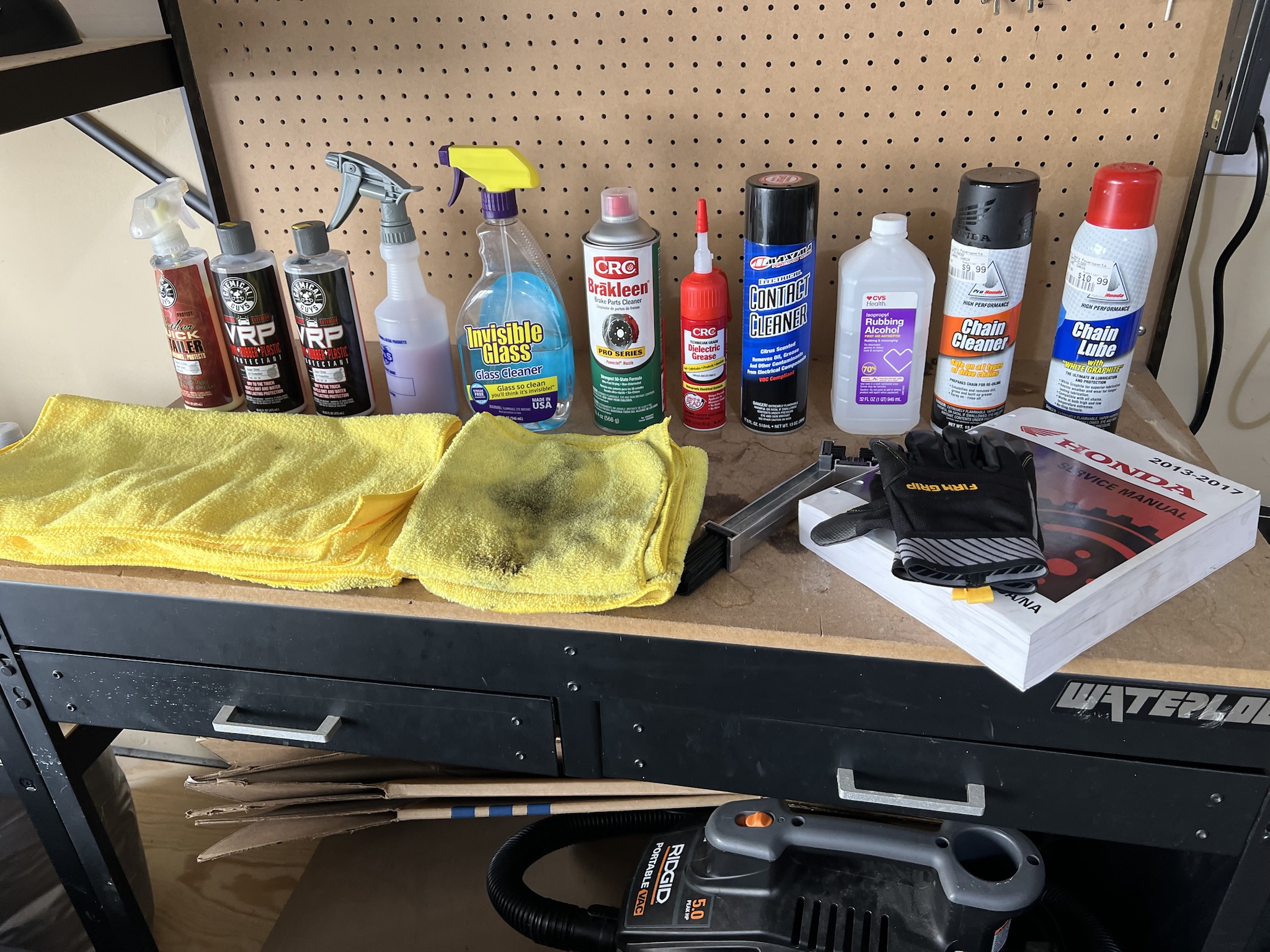
I have Bridgestones BT46 on the motorcycle: Front—110/90-18M/C ; Rear—140/70-18M/C. I have left the rims in their OEM setup and use tubes. I run with 36 PSI in the front tire and 42 PSI in the rear (thanks to the Forum for the guidance). The ride is smooth and the handling crisp. Inspection and cleaning pictures follow. Note the staring area where the supplies are readily available:
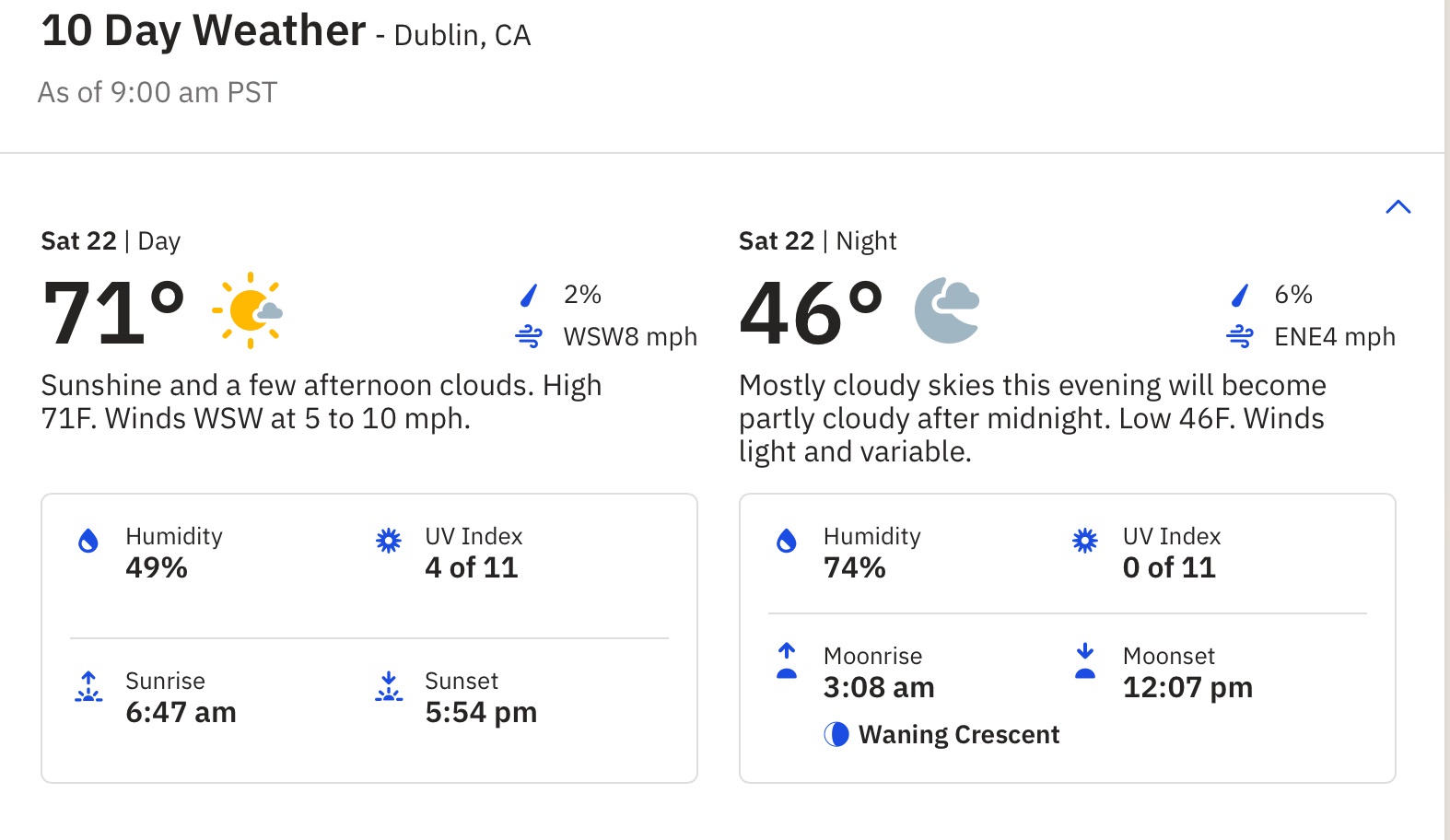
Step 3: Protective Gear Inspection (10 minutes)—Before I shower, I “stage” my gear and also check the weather. I will ride in the rain and cold, but I make sure I am appropriately attired. I do avoid high winds, ice, and hail.
We are exposed to the elements on a motorcycle when we ride. It is part of the allure. However, if we are cold, wet, heat exhausted, or in general miserable, mistakes can happen. I have found the right gear can make Mother Nature a little less cruel.
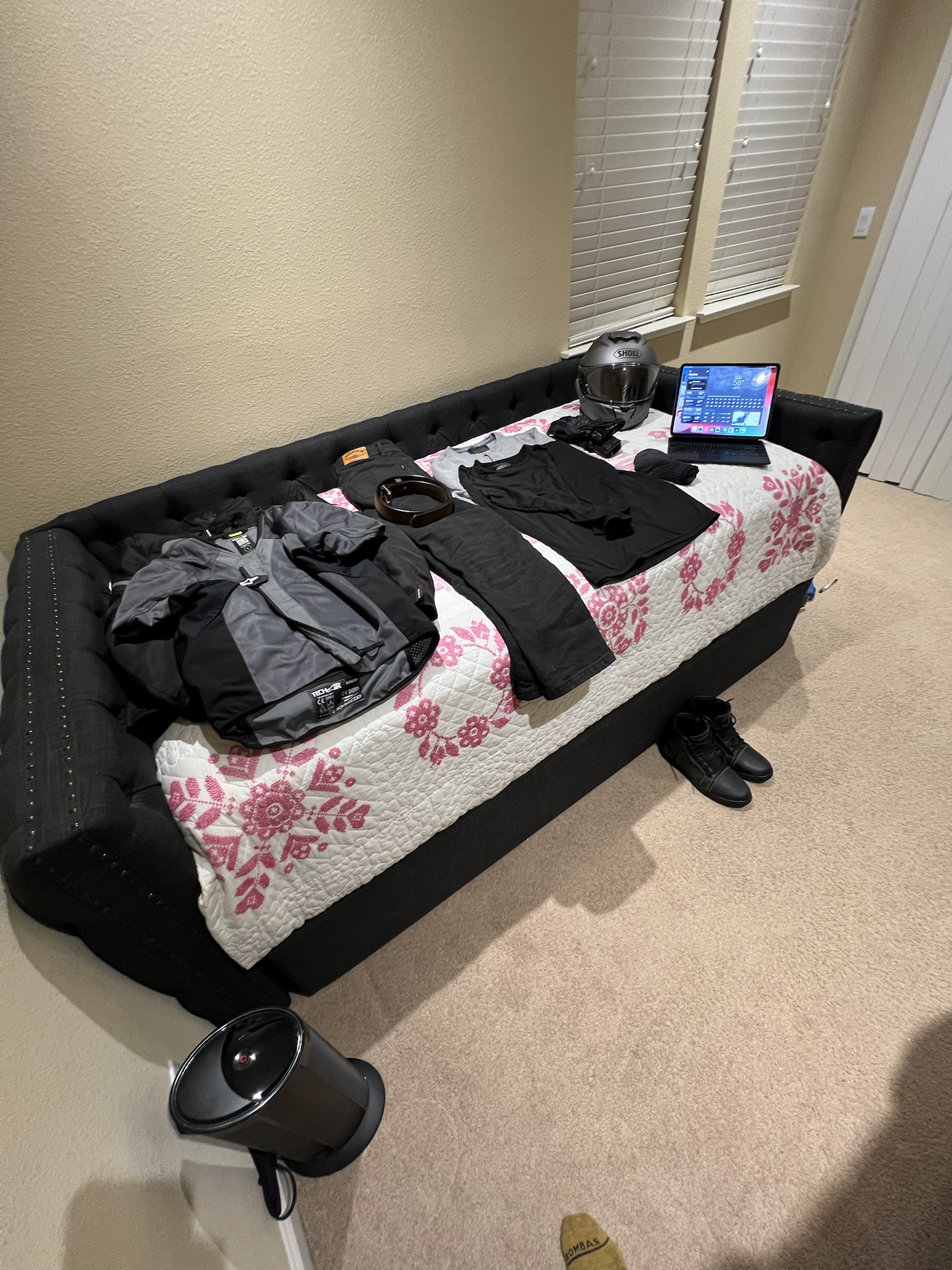
I inspect my protective gear: helmet, ear plugs, base layers, shirts, airbag vest, motorcycle jacks, motorcycle jeans, gloves, socks, and motorcycle boots. I have leveraged advances in technology to improve safety and comfort. My helmet has a comm system which links to my iPhone. The jacket and jeans are made of abrasive resistant material and also have body armour which is lightweight, flexible, and incredibly effective despite what Brother Ryan from Fortnite may believe. They are also comfortable to wear. The airbag vest is perhaps the single greatest advancement in safety since the introduction of the helmet and motorcycle boots. Proper motorcycle gloves protect my hands from my natural inclination to reach out if I were to fall. I check everything as I am putting it on. Here is my sequence:
1. Ear Protection: I insert ear plugs and make sure they are snug and comfortable. I place the ear plug tether aground my neck.
2. Torso Comfort: I put my base layer or shirt on next. I make sure I do not dislodge the ear plugs. I check the pockets to make sure there is nothing in them which could stab me in the event of a fall. After I put on the base layer / shirt, I make sure I have range of motion.
3. Leg Protection: I inspect my motorcycle jeans. I make sure I have not removed the armour in the hips and knees. I check the pockets to make sure there is nothing in them which could stab me in the event of a fall. I put on the motorcycle jeans and make sure they are loose enough that I can mount the motorcycle but tight enough to keep the protective armour in place.
4. Angle & Foot Protection: I inspect my motorcycle boots. I check and make sure the socks I have selected are Merino Wool and can protect my feet from blistering. I check my boots to make sure there are no tears and that the laces are in tact. I put both on and make sure they are tight but not biding.
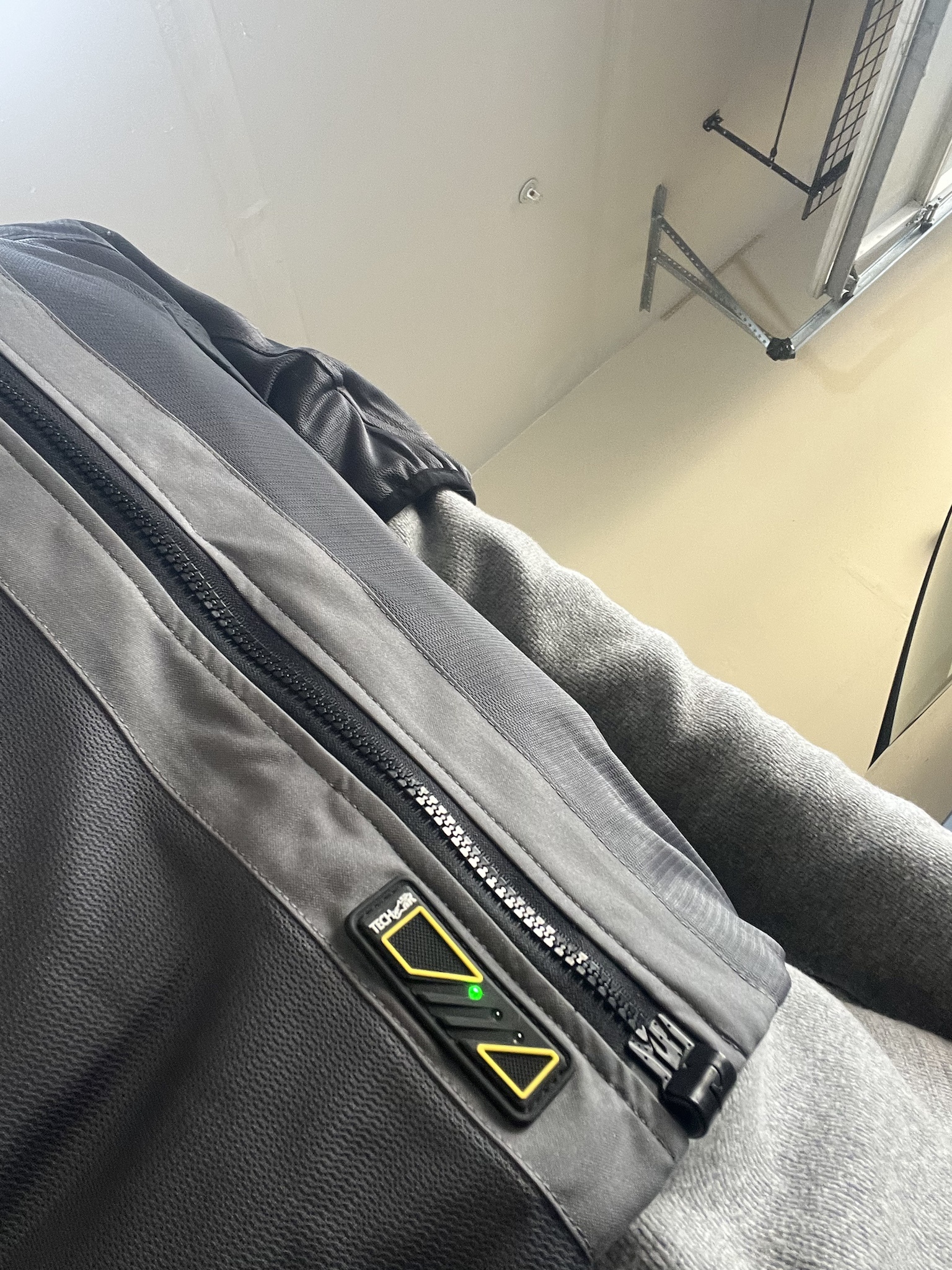
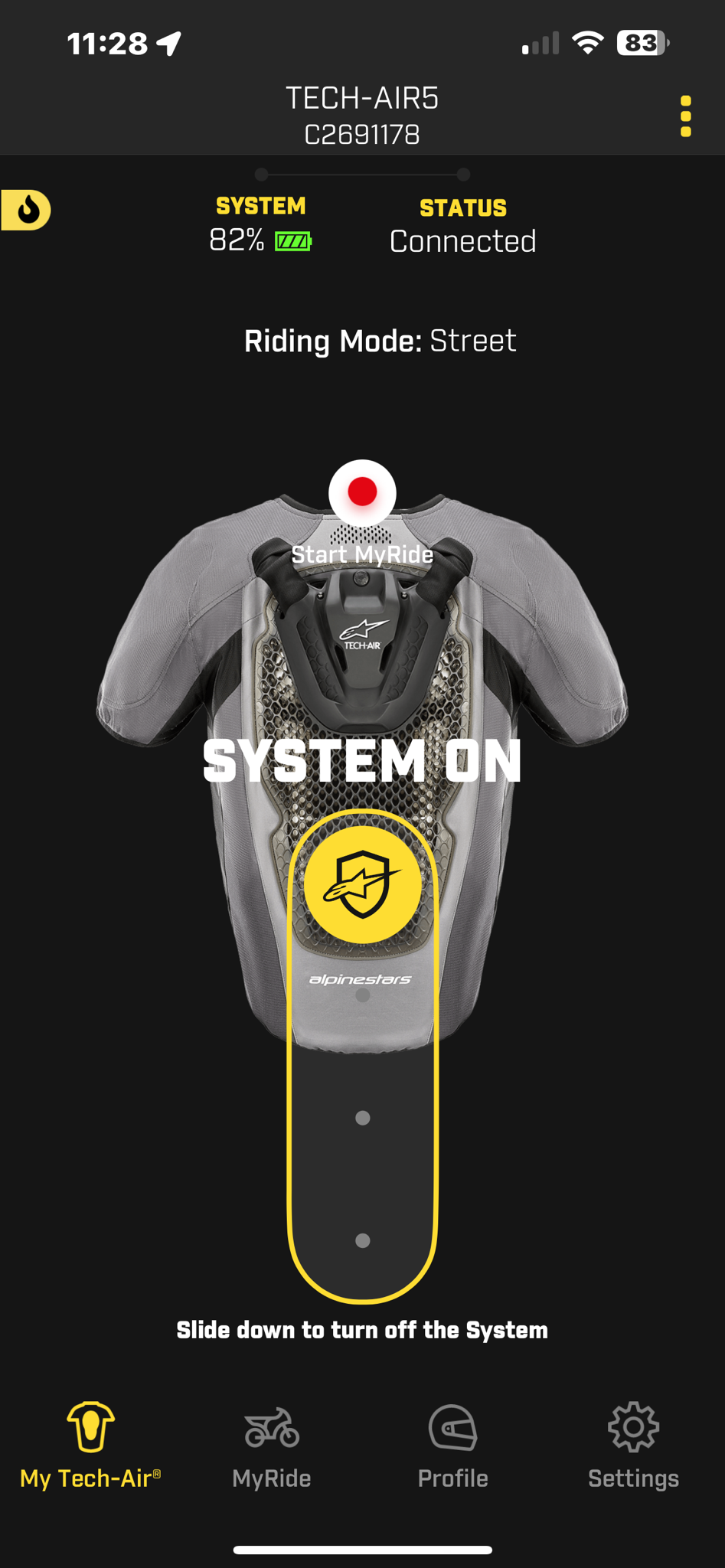
5. Torso Protection: I put on my airbag vest. I check the lights to ensure that it has initialized successfully. I use the App on my iPhone to connect. I check the power level and firmware. The airbag vest will only work if it has power. If it passes the review, I ride. If I forgot to charge it, I connect the charger and ride another day. I put on my motorcycle jacket next. I make sure it is zipped properly and fits well. I also check range of motion.
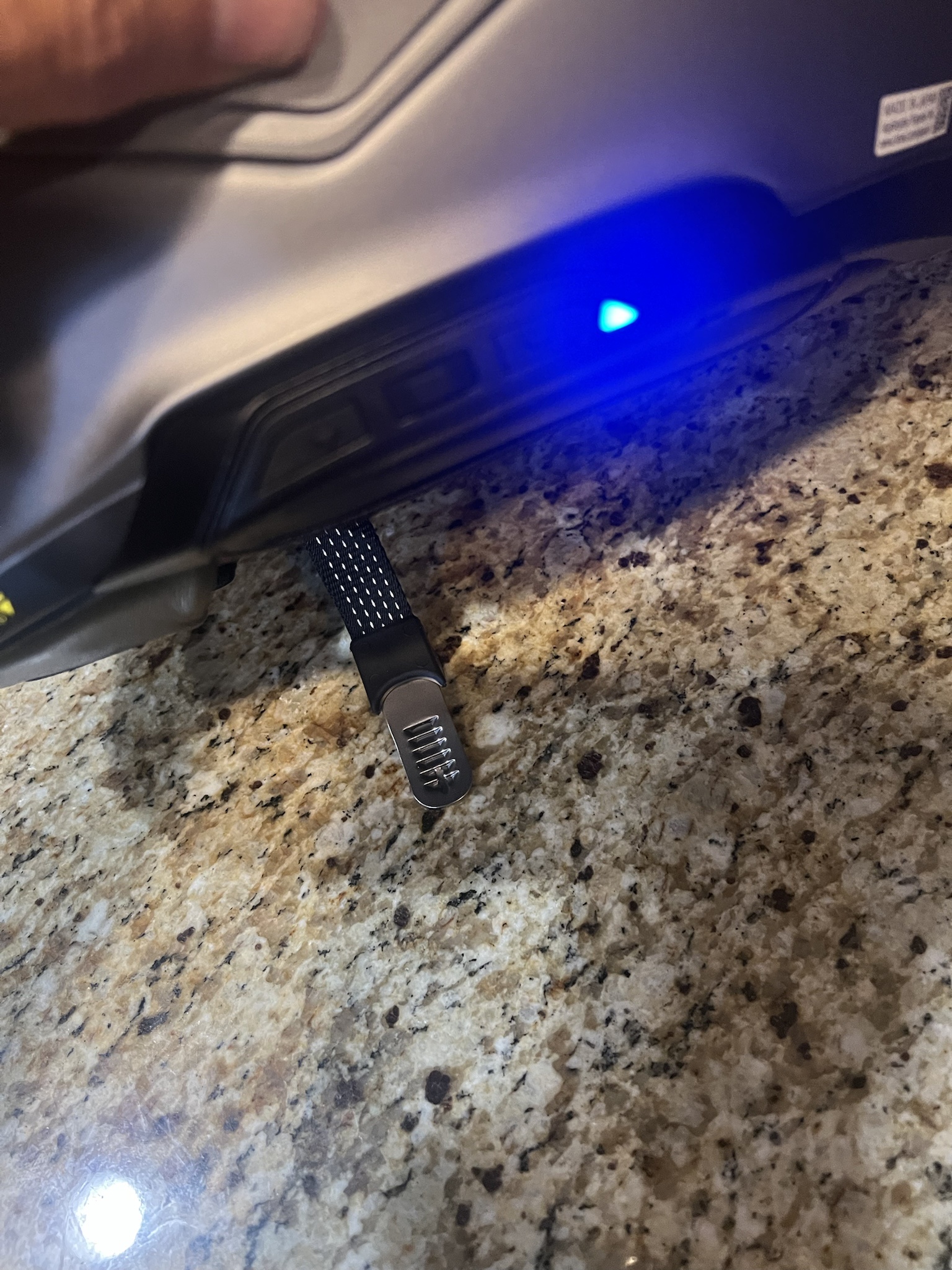
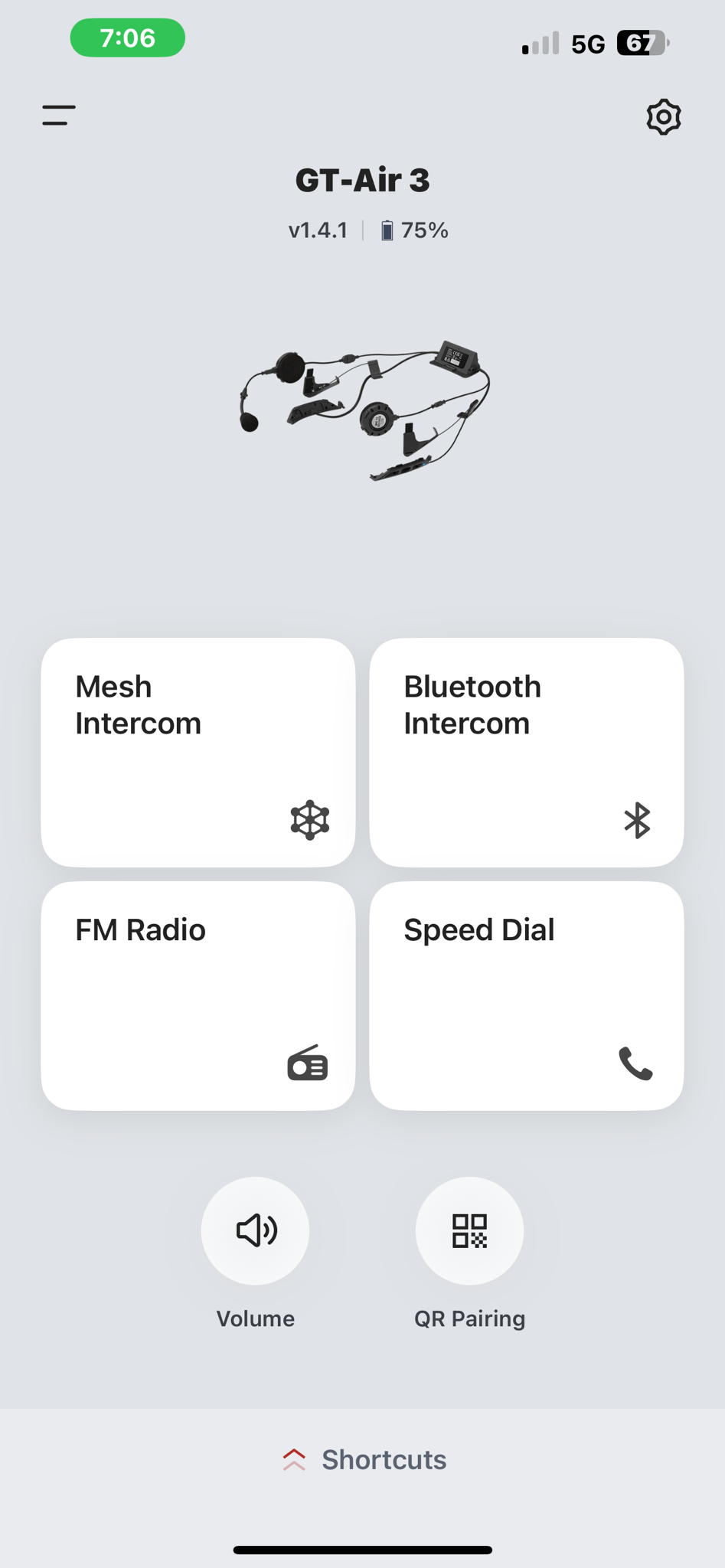
6. Head Protection: I inspect my helmet and make sure all of the pads are secure and there is no debris inside the helmet. I turn the Comm Unit and make sure it initializes properly. I also connect to it with my phone to make sure it has been charged. Like the airbag vest, the Comm Unit depends on power.
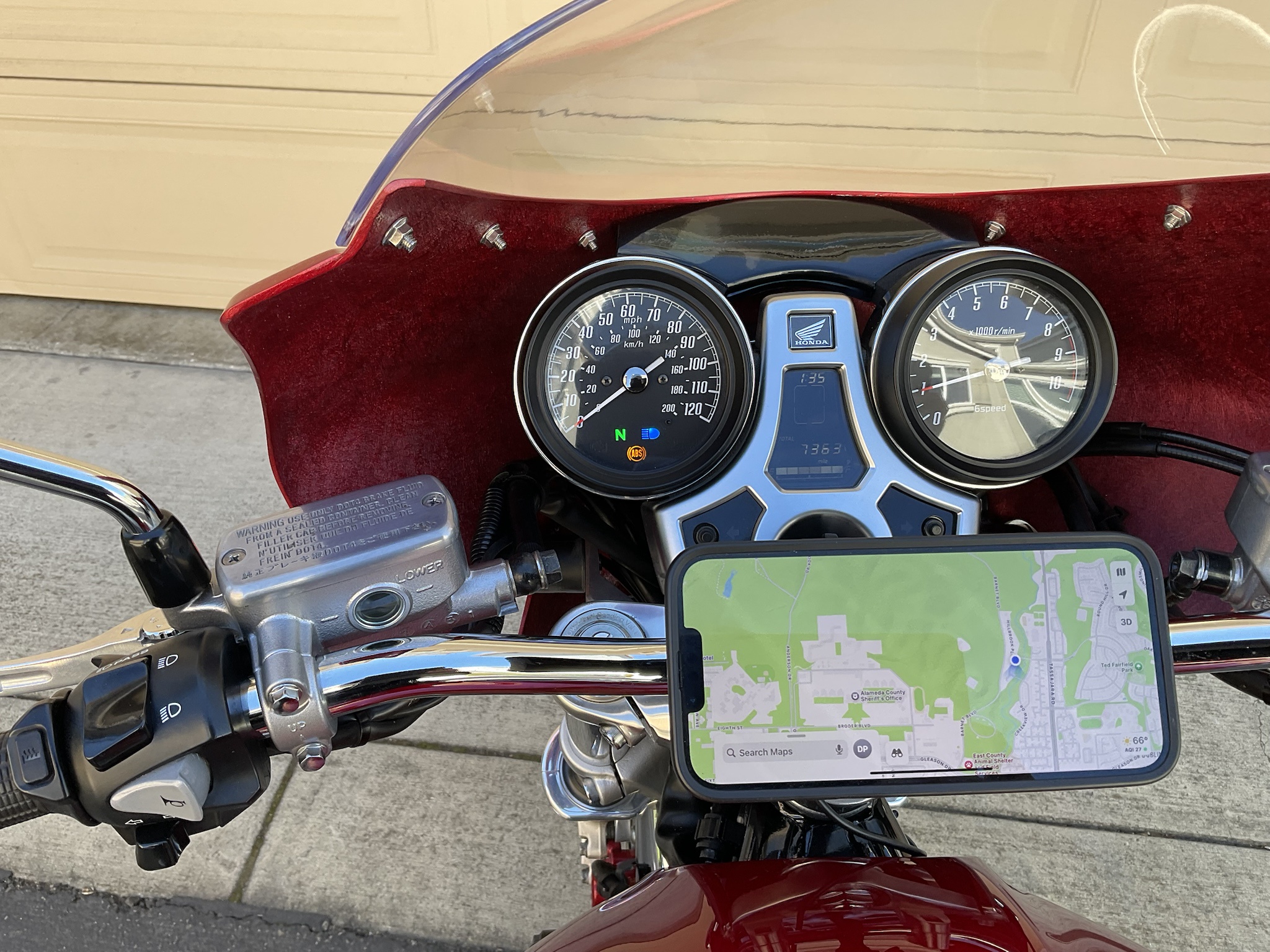
Step 4: Ready to Ride Inspection (1 minute): When I fire up the CB1100, I check the switches to make sure they are fully operational and the mirrors to make sure they provide good line of sight. Then, I ride!
I hope something in this Thread servers you well. If you have suggestions or corrections, please reply. As always, I remain a humble man. Let’s see if I have earned more respect than scorn with this lengthy thread. Enjoy your day and ride safely. David
But any time I ride, there are risks to me and the motorcycle. To help medicate those, I have a adopted a pre-ride ritual that has almost become muscle memory. It enables me to ensure that I am mentally and physically ready to ride, that my protective riding gear will protect me from harm, and that the motorcycle is safe to ride. It takes me approximately 20 minutes, start to finish.
A case can be made that it is a little over the top bordering on excessive, but I am who I am.
I am not a role model for anything, but I do hope there is something you find here that will help you find your own routine. You have friends and family who love you, and you ride a great motorcycle. If you do not want to do it for yourself, perhaps you can do it for them.
Step 1: Wellness Assessment (5 minutes)— Before I ride, I gauge my spiritual, mental, and physical health. I am a devout Catholic, and I pray each day. I want to be in a state of grace for whatever lies ahead. Mentally, I do not ride if I am unduly stressed, agitated, or angry. Those states affect my judgment and can impact how I ride. Finally, I assess my physical well being. I will not ride if I have had less than six hours sleep the night before. I check my blood pressure daily. If it is not in an acceptable range, I do not ride. If I injured myself or if I am physically ill, I do not ride. I find riding a motorcycle requires tremendous situational awareness, coordination, dexterity, and strength. If any of those are compromised, I ride another day.
Step 2: Motorcycle Inspection (5 minutes)—Things can happen when we ride our motorcycles which we may not be aware of while driving 70 miles per hour. For me, I want the peace of mind that comes with knowing that nothing happened on the last ride which could impact the next one. I also like the daily ritual of it all. Before I ride, I focus primarily on chains, tires, and brakes. This task is made easier because when I parked the motorcycle the previous day, I placed it on the center stand. For the daily inspection, I spin the rear tire while focusing intently on the chain and sprocket. I look for a any debris that may have lodged between the chain and sprocket. I also look to ensure there is no kink or damage to the chain or sprocket. (I do not check the tension of the chain because I check it on a regular basis, which I will document later). After I confirm I have a nice, smooth turn of the rear wheel, I clean the rotors and look closely at them. Like the chain, I am looking for damage or unusual wear. Finally, I check the tires and tire pressures to make they look good and have adequate pressure.
I have Bridgestones BT46 on the motorcycle: Front—110/90-18M/C ; Rear—140/70-18M/C. I have left the rims in their OEM setup and use tubes. I run with 36 PSI in the front tire and 42 PSI in the rear (thanks to the Forum for the guidance). The ride is smooth and the handling crisp. Inspection and cleaning pictures follow. Note the staring area where the supplies are readily available:
Step 3: Protective Gear Inspection (10 minutes)—Before I shower, I “stage” my gear and also check the weather. I will ride in the rain and cold, but I make sure I am appropriately attired. I do avoid high winds, ice, and hail.
We are exposed to the elements on a motorcycle when we ride. It is part of the allure. However, if we are cold, wet, heat exhausted, or in general miserable, mistakes can happen. I have found the right gear can make Mother Nature a little less cruel.
I inspect my protective gear: helmet, ear plugs, base layers, shirts, airbag vest, motorcycle jacks, motorcycle jeans, gloves, socks, and motorcycle boots. I have leveraged advances in technology to improve safety and comfort. My helmet has a comm system which links to my iPhone. The jacket and jeans are made of abrasive resistant material and also have body armour which is lightweight, flexible, and incredibly effective despite what Brother Ryan from Fortnite may believe. They are also comfortable to wear. The airbag vest is perhaps the single greatest advancement in safety since the introduction of the helmet and motorcycle boots. Proper motorcycle gloves protect my hands from my natural inclination to reach out if I were to fall. I check everything as I am putting it on. Here is my sequence:
1. Ear Protection: I insert ear plugs and make sure they are snug and comfortable. I place the ear plug tether aground my neck.
2. Torso Comfort: I put my base layer or shirt on next. I make sure I do not dislodge the ear plugs. I check the pockets to make sure there is nothing in them which could stab me in the event of a fall. After I put on the base layer / shirt, I make sure I have range of motion.
3. Leg Protection: I inspect my motorcycle jeans. I make sure I have not removed the armour in the hips and knees. I check the pockets to make sure there is nothing in them which could stab me in the event of a fall. I put on the motorcycle jeans and make sure they are loose enough that I can mount the motorcycle but tight enough to keep the protective armour in place.
4. Angle & Foot Protection: I inspect my motorcycle boots. I check and make sure the socks I have selected are Merino Wool and can protect my feet from blistering. I check my boots to make sure there are no tears and that the laces are in tact. I put both on and make sure they are tight but not biding.
5. Torso Protection: I put on my airbag vest. I check the lights to ensure that it has initialized successfully. I use the App on my iPhone to connect. I check the power level and firmware. The airbag vest will only work if it has power. If it passes the review, I ride. If I forgot to charge it, I connect the charger and ride another day. I put on my motorcycle jacket next. I make sure it is zipped properly and fits well. I also check range of motion.
6. Head Protection: I inspect my helmet and make sure all of the pads are secure and there is no debris inside the helmet. I turn the Comm Unit and make sure it initializes properly. I also connect to it with my phone to make sure it has been charged. Like the airbag vest, the Comm Unit depends on power.
Step 4: Ready to Ride Inspection (1 minute): When I fire up the CB1100, I check the switches to make sure they are fully operational and the mirrors to make sure they provide good line of sight. Then, I ride!
I hope something in this Thread servers you well. If you have suggestions or corrections, please reply. As always, I remain a humble man. Let’s see if I have earned more respect than scorn with this lengthy thread. Enjoy your day and ride safely. David


