2017 CB1100ex / Flat tire issue and save

Senna02_imp

First service completed
Thread starter
Hi everyone. I'm a newbie who just experienced my 1st flat tire on my
2017 CB1100ex that has spoke wheels and tube tires. Punctured my rear tire last week from a piece of screw on my way home. Got the bike brand new with brand new tires but unfortunately caught a flat. My question is, if I have the tube fixed(patched)can I use the same tire again? What recommendations do you guys have to get me up and running safely on the road again and to save me some money? Saw the helpful video of Terry Cox who converted his wheels to tubeless from BART. I'm also considering that option but it also depends how much that would cost me. I live in NY and I know shipping those wheels to Italy and getting them converted to tubeless won't be cheap. Has anyone in the forum
with spoke tires converted to tubeless? Any recommendations? Wish HONDA sold the CB1100RS here in the US market.
Thanks in advance.
 
You will have no problem reusing the tire, provided the hole is small; I have done this dozens of times to various street and dirt bikes. I do not recommend patching the tube though - just replace it, but that's just me being overly cautious.
 
As Dave says, that tyre will be fine as long as it is a simple puncture and not sidewall related. There has to be a supplier in the US who can do what BartFactory are doing surely, that postage will kill you? The process is a bit drawn out, if you went down this route save it for winter. Outex is probably the most well known kit for changing to tubeless. If you don't want to do it yourself a local dealer might possibly do it for you with the Outex kit?
 
Thread starter
Hi there Dave and Tev62. I'll definitely get a new tube and use the original tire.
I'm relieved that I just need a new tube and not a new tire. I'll also inquire with dealers in my area who could convert the wheels to tubeless. Thank you guys for your quick reply and help! Have a good summer.
 
Tev62_imp said:
As Dave says, that tyre will be fine as long as it is a simple puncture and not sidewall related. There has to be a supplier in the US who can do what BartFactory are doing surely, that postage will kill you? The process is a bit drawn out, if you went down this route save it for winter. Outex is probably the most well known kit for changing to tubeless. If you don't want to do it yourself a local dealer might possibly do it for you with the Outex kit?
(+1) Outex kit.
 
Senna02_imp said:
Hi everyone. I'm a newbie who just experienced my 1st flat tire on my
2017 CB1100ex that has spoke wheels and tube tires. Punctured my rear tire last week from a piece of screw on my way home. Got the bike brand new with brand new tires but unfortunately caught a flat. My question is, if I have the tube fixed(patched)can I use the same tire again? What recommendations do you guys have to get me up and running safely on the road again and to save me some money? Saw the helpful video of Terry Cox who converted his wheels to tubeless from BART. I'm also considering that option but it also depends how much that would cost me. I live in NY and I know shipping those wheels to Italy and getting them converted to tubeless won't be cheap. Has anyone in the forum
with spoke tires converted to tubeless? Any recommendations? Wish HONDA sold the CB1100RS here in the US market.
Thanks in advance.
My experience with patching a tube nearly led to disaster. The damage to the tube was a slit maybe 1/4" long and I patched it. About two weeks later, while traveling on a parkway at maybe 65 mph, I had a *blowout*!. the slit had actually spread *under the patch* until it *popped out* from the edge of the patch!

I will never again patch a motorcycle tube...

Frank
 
decarmine_imp said:
Senna02_imp said:
Hi everyone. I'm a newbie who just experienced my 1st flat tire on my
2017 CB1100ex that has spoke wheels and tube tires. Punctured my rear tire last week from a piece of screw on my way home. Got the bike brand new with brand new tires but unfortunately caught a flat. My question is, if I have the tube fixed(patched)can I use the same tire again? What recommendations do you guys have to get me up and running safely on the road again and to save me some money? Saw the helpful video of Terry Cox who converted his wheels to tubeless from BART. I'm also considering that option but it also depends how much that would cost me. I live in NY and I know shipping those wheels to Italy and getting them converted to tubeless won't be cheap. Has anyone in the forum
with spoke tires converted to tubeless? Any recommendations? Wish HONDA sold the CB1100RS here in the US market.
Thanks in advance.
My experience with patching a tube nearly led to disaster. The damage to the tube was a slit maybe 1/4" long and I patched it. About two weeks later, while traveling on a parkway at maybe 65 mph, I had a *blowout*!. the slit had actually spread *under the patch* until it *popped out* from the edge of the patch!

I will never again patch a motorcycle tube...

Frank
My experience with patching a tube nearly led to disaster. The damage to the tube was a slit maybe 1/4" long and I patched it. About two weeks later, while traveling on a parkway at maybe 65 mph, I had a *blowout*!. the slit had actually spread *under the patch* until it *popped out* from the edge of the patch!

I will never again patch a motorcycle tube...

Frank
Yeah, scary stuff for sure. :s

I would just leave gashes alone and replace the rubber. Punctures appear to be more tolerant to patching.
 
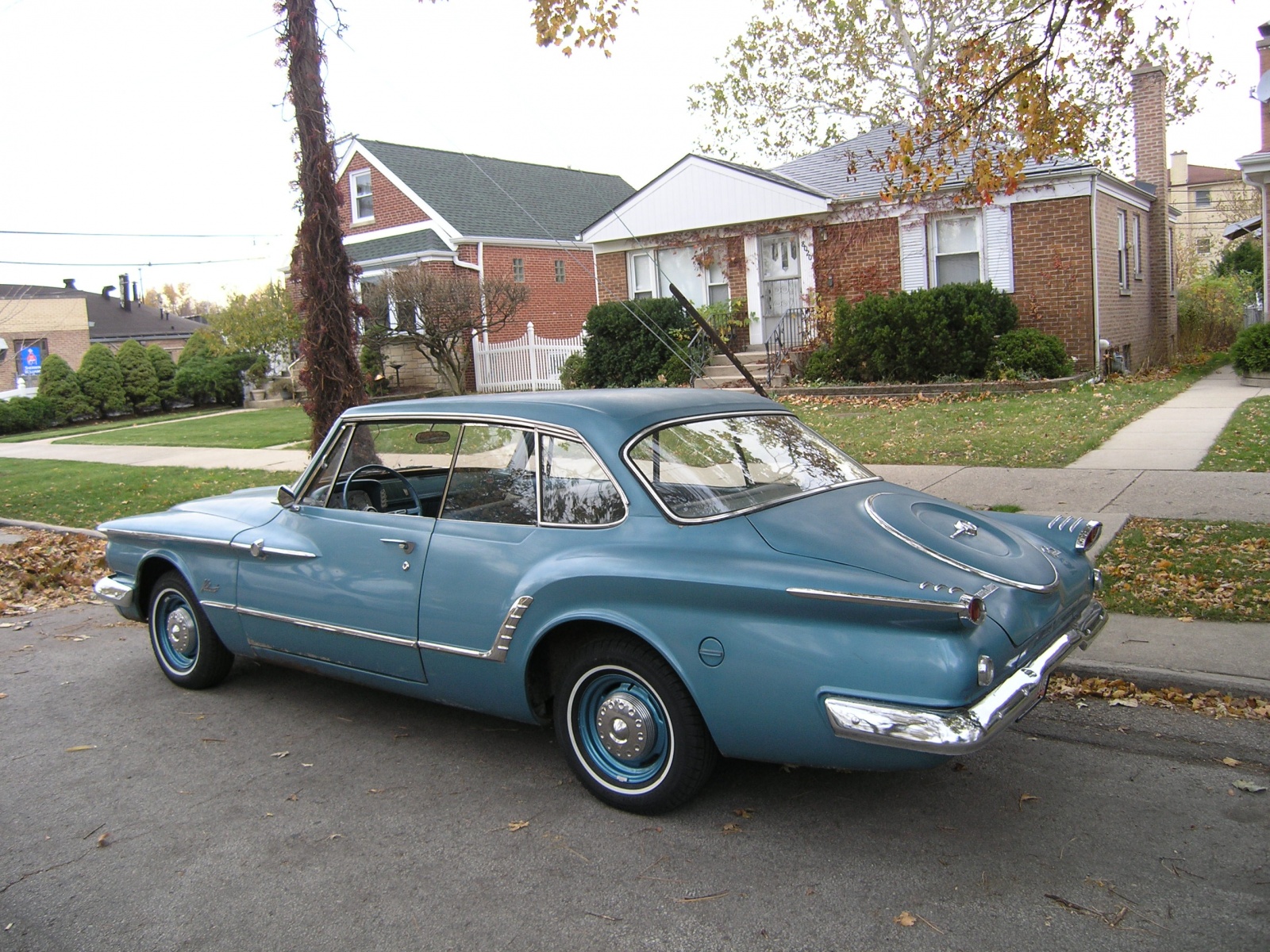
New inner tube is mandatory. Patching inner tubes is best left for 1962 Plymouth Valiants being driven in 1962.

a598d552446af1c1a60f12303bf53671.jpg
 
I would recommend also patching the tire from the inside with a patch/plug. Any hole could allow water in, and would also negate any benefits of going tubeless.

In the old days, we would just slather silicone sealant all over the spoke nipples and rim inside, and run either with a tube or tubeless. If we ran tubes, we'd put o-rings on the valve stem on the inside and the outside. Worked on car wire wheels too.
 
One thing I learned about tubed tires is always to carry a spare tube. Admittedly, I've learned this on the trails while riding on low pressures, but the fact remains, a flat tube is likely to get caught if not noticed on time and on classic wheels (withouts rim-locks) it's easy to slip and tear the valve or get a pinch flat. Even if it doesn't happen and you manage to do a roadside patch, it's only going to be until you replace the tube, because riding at street speeds on a patched tube is just not safe IMO. Get a spare tube before hand, a couple of tire irons and some practice with getting the tires on and off the wheels.

I have nothing against the performance of tubed tires, but on street bikes I would recommend some kind of transformation to tubeless.

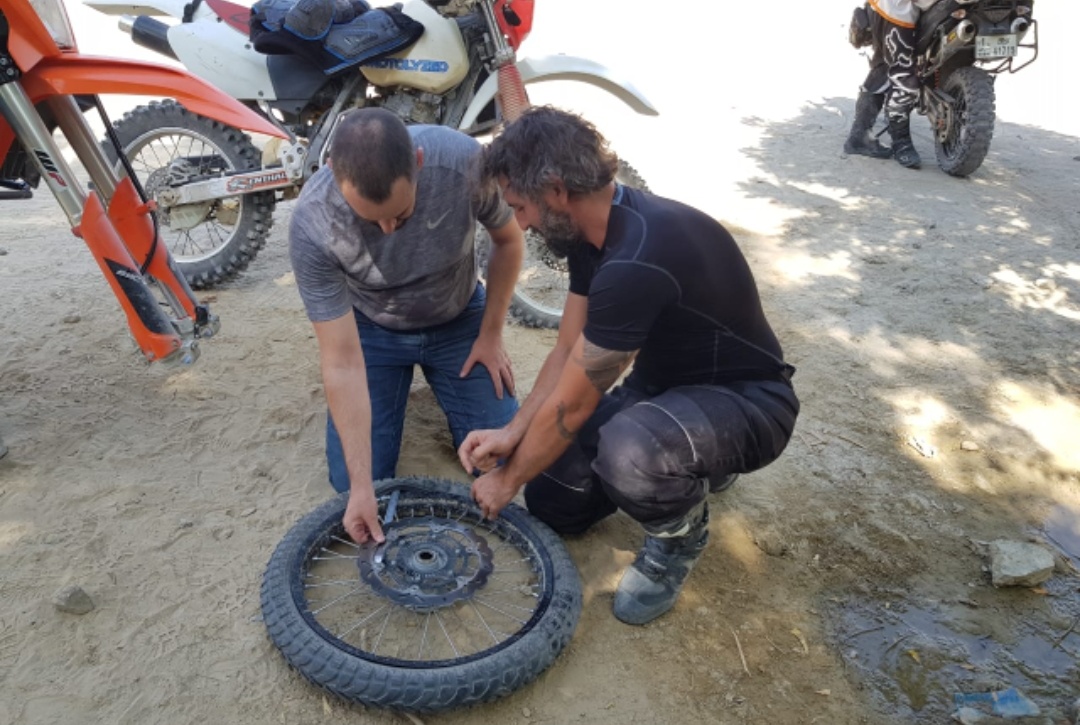
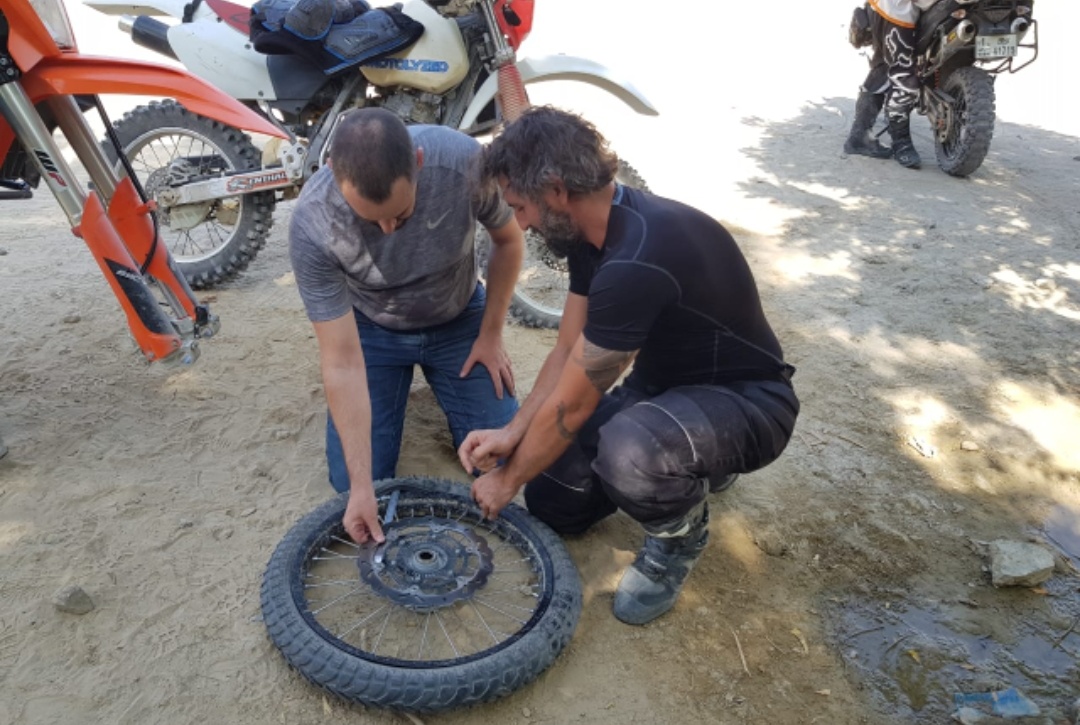
In picture: A tire patch gone wrong - my buddy had the patch kit, no spare tube, but he didn't have any grease, so by the time the tire was patched, he managed to get a pinch-flat in 3 different spots. We spent hours in that dust
a2e98566548fb7accb096f8ad020d5db.jpg


'14 CB1100 STD 5 speed
 
pekingduck_imp said:
I would recommend also patching the tire from the inside with a patch/plug. Any hole could allow water in, and would also negate any benefits of going tubeless.

In the old days, we would just slather silicone sealant all over the spoke nipples and rim inside, and run either with a tube or tubeless. If we ran tubes, we'd put o-rings on the valve stem on the inside and the outside. Worked on car wire wheels too.
Great points! Hadn’t thought about water getting inside the rim.
tod.branko_imp said:
One thing I learned about tubed tires is always to carry a spare tube. Admittedly, I've learned this on the trails while riding on low pressures, but the fact remains, a flat tube is likely to get caught if not noticed on time and on classic wheels (withouts rim-locks) it's easy to slip and tear the valve or get a pinch flat. Even if it doesn't happen and you manage to do a roadside patch, it's only going to be until you replace the tube, because riding at street speeds on a patched tube is just not safe IMO. Get a spare tube before hand, a couple of tire irons and some practice with getting the tires on and off the wheels.

I have nothing against the performance of tubed tires, but on street bikes I would recommend some kind of transformation to tubeless.

In picture: A tire patch gone wrong - my buddy had the patch kit, no spare tube, but he didn't have any grease, so by the time the tire was patched, he managed to get a pinch-flat in 3 different spots. We spent hours in that dust
a2e98566548fb7accb096f8ad020d5db.jpg


'14 CB1100 STD 5 speed
Oh, I’ve done too! :blush:
 
In picture: A tire patch gone wrong - my buddy had the patch kit, no spare tube, but he didn't have any grease, so by the time the tire was patched, he managed to get a pinch-flat in 3 different spots. We spent hours in that dust
08cf15f258349a6fa4ebda6a4c2ba4aa.jpg


'14 CB1100 STD 5 speed
[/QUOTE]

I am too embarrassed to admit how many times I have pinched a tube while installing a tire!
 
Stichill_imp said:
Tev62_imp said:
Stichill_imp said:
New inner tube is mandatory. Patching inner tubes is best left for 1962 Plymouth Valiants being driven in 1962.

a598d552446af1c1a60f12303bf53671.jpg
what a very cool ride :thumbsup:
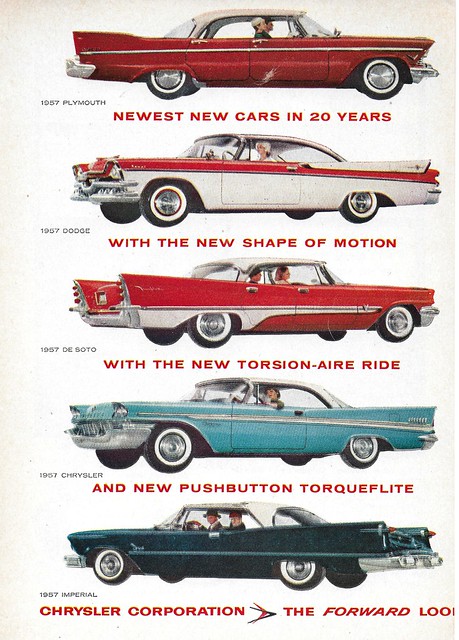
Maybe in hindsight! The 1962 Chrysler Corporation lineup was a commercial disaster.

It was an ignominious end to the career of chief stylist Virgil Exner, who had created the fabulous 1957 "Forward Look" across all the marque's brands from bottom to top:


Reminds me of the Simpsons episode when Homer was chief designer. :D
 
Back
Top